
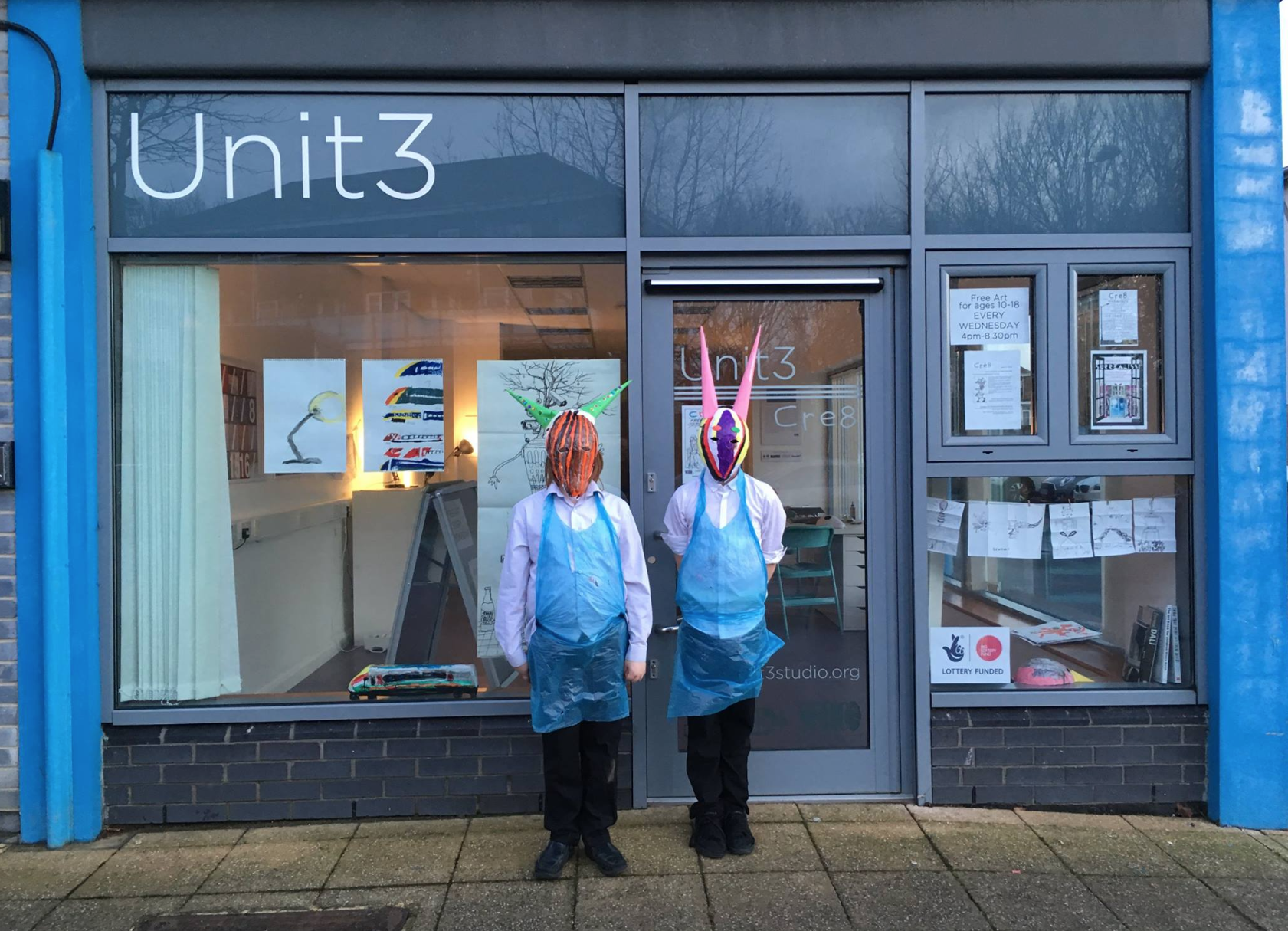
When I began as Activities Coordinator for SEHCO’s Step Forward project in 2015, the organisation had been offered another ground floor retail unit in Fareham. It sat immediately beside one of the community centres SEHCO was already running successfully, and there was a reasonable case for turning it down.
Andrew Preskey, who was recruiting and setting up Step Forward, had seen my CV and asked whether I might have ideas for it. I did. I saw the possibility of a community art studio.
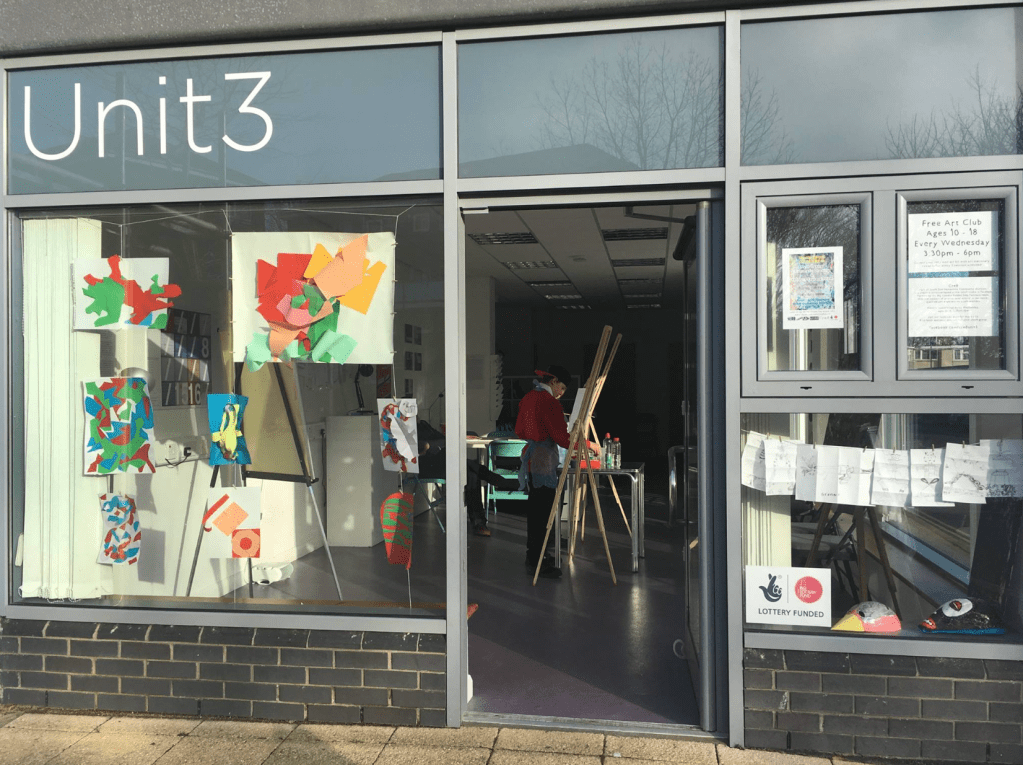
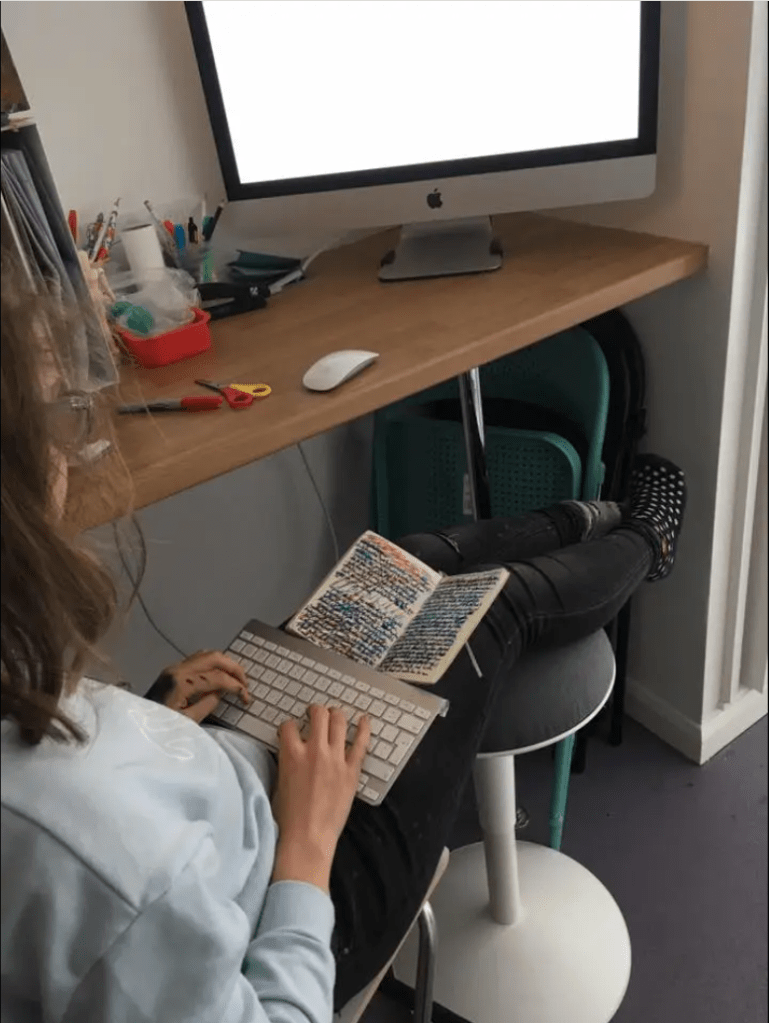
At that point the unit was rundown and full of junk. I began by clearing it, cleaning it and painting it myself. The arrangement, with a peppercorn rent and support from Fareham Borough Council with the rates, made the unit possible. It did not make it useful. It still needed to become somewhere people could enter, recognise and use.
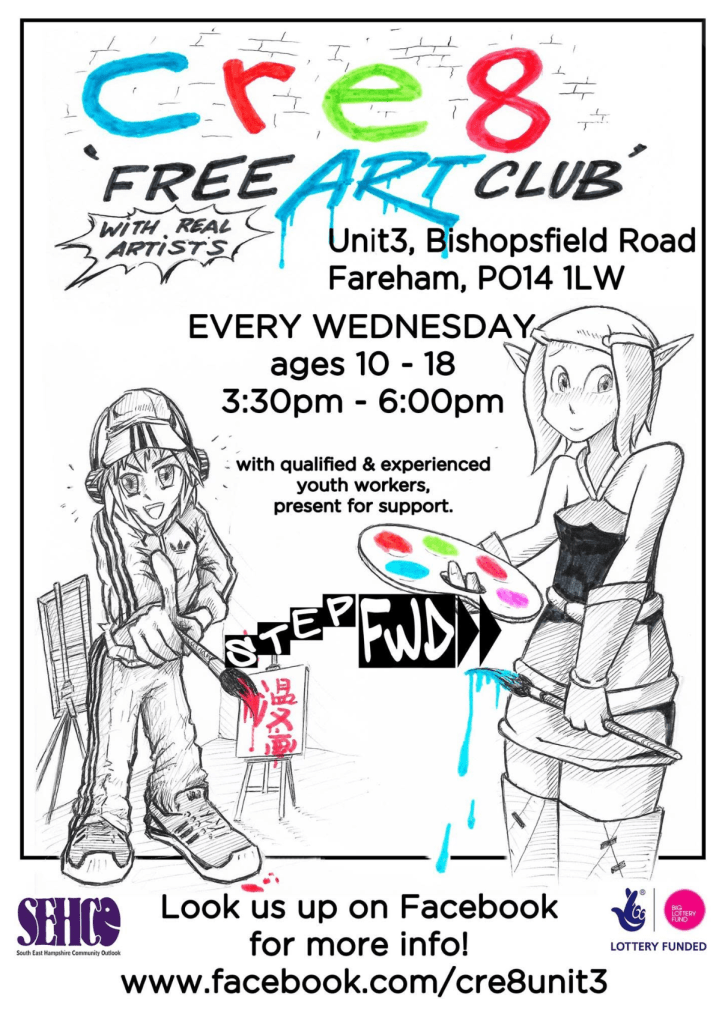
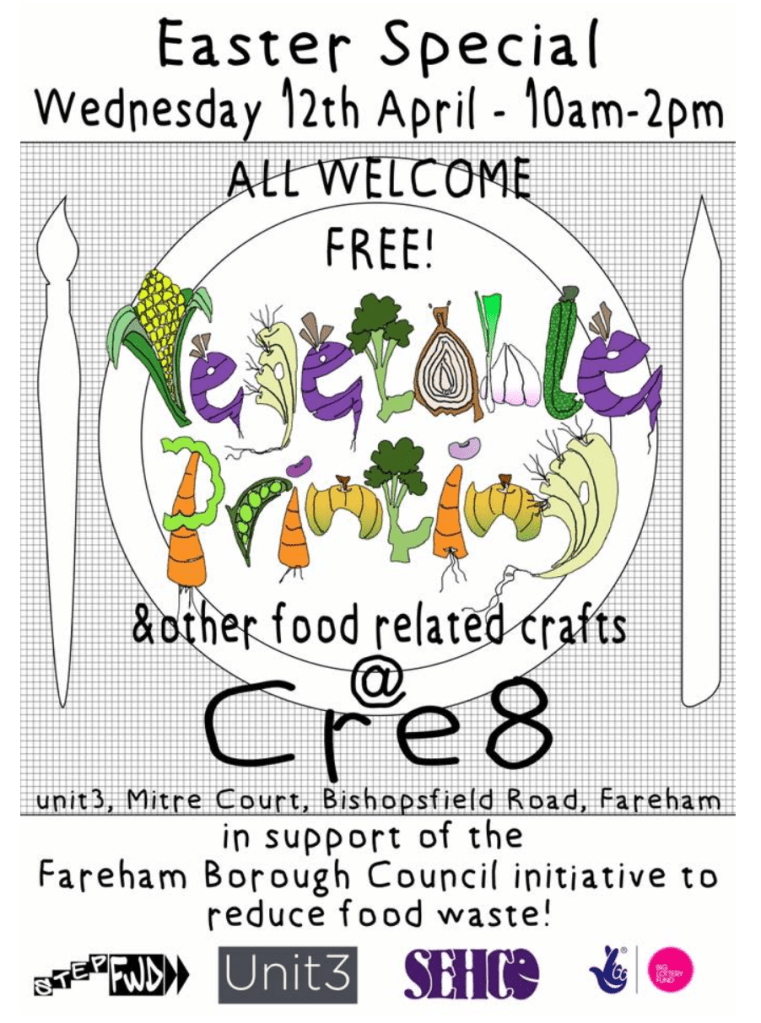
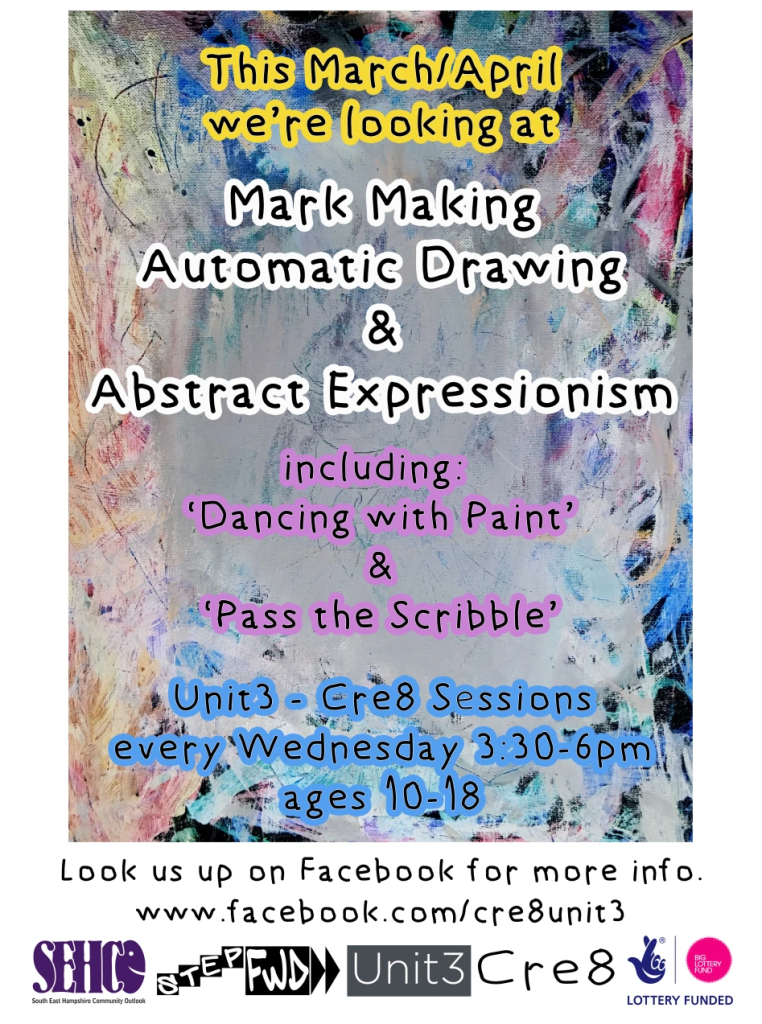
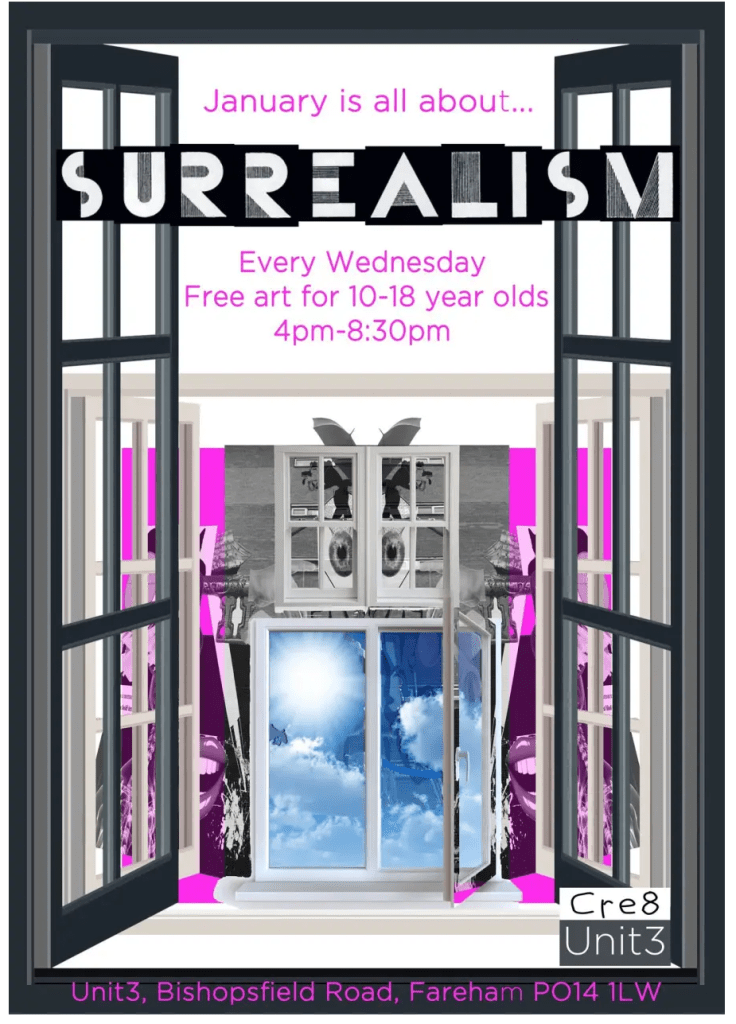
I secured further funding to furnish the space and establish it as Unit3. From the beginning, it ran alongside Step Forward but was not reducible to it. Cre8, the free youth art club held on Wednesdays and during school holidays, was part of Step Forward. The wider task was to make Unit3 active for the surrounding community as well.
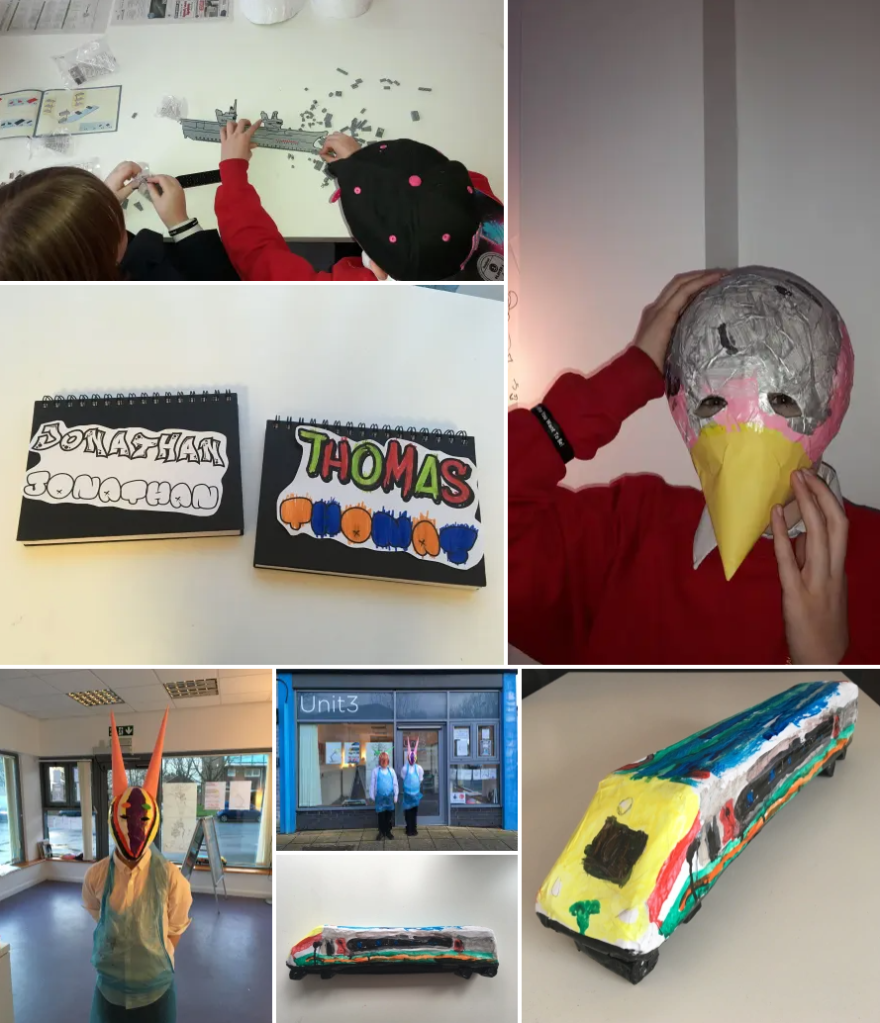
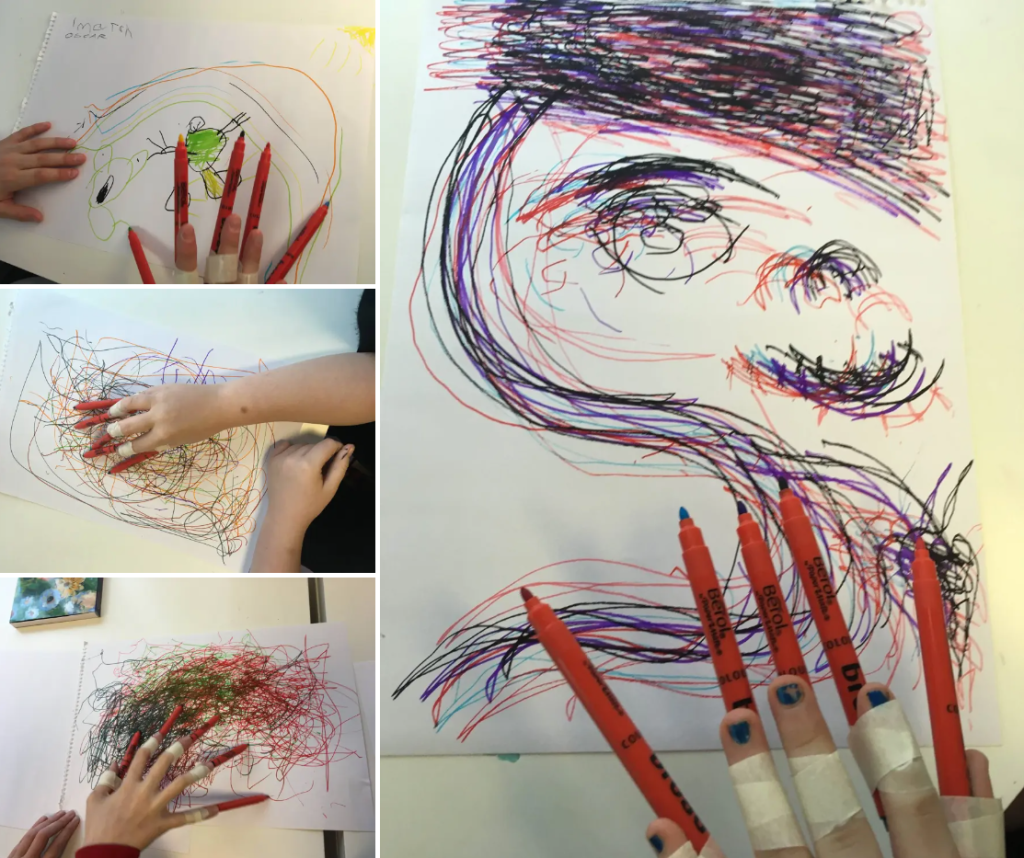
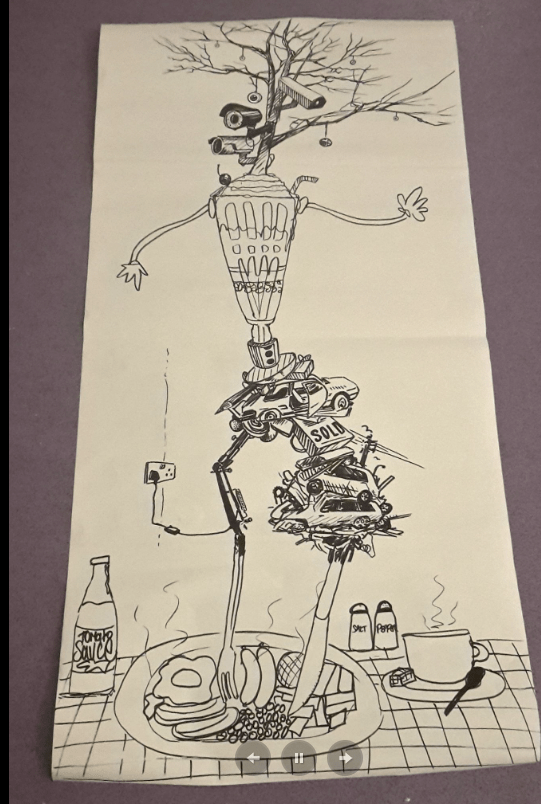
In September 2016, funding from The Partnership Trust supported a three month residency shared by Keith Hopewell and Suzanne Carr. The residency covered their travel, DBS checks and youth work training, and gave the artists time to test what the studio could become through work with local people. It was not simply an invitation to deliver workshops. It was a practical way of finding out how a new space could be activated, how relationships might form there and what kind of activity people would want to return to.
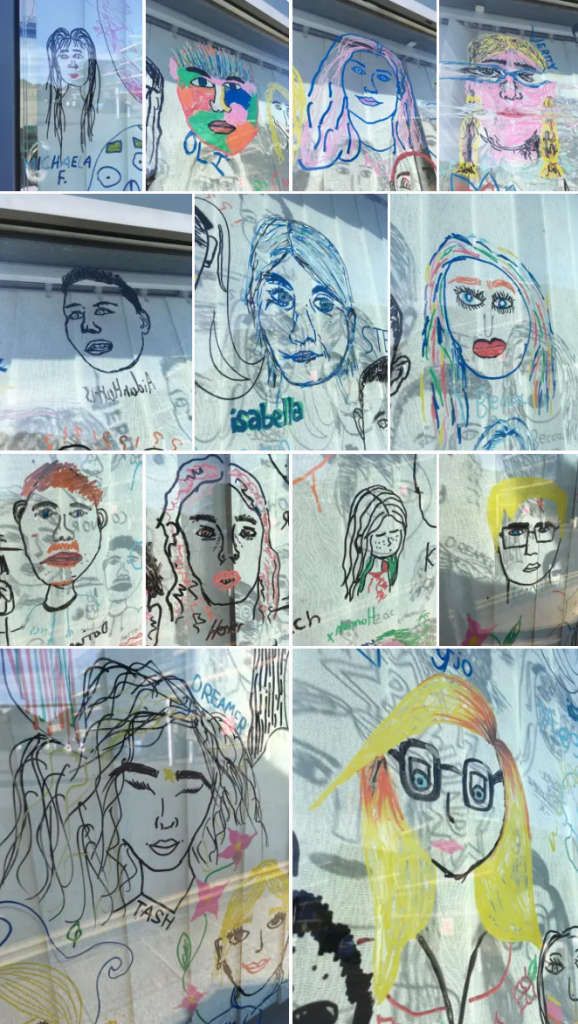
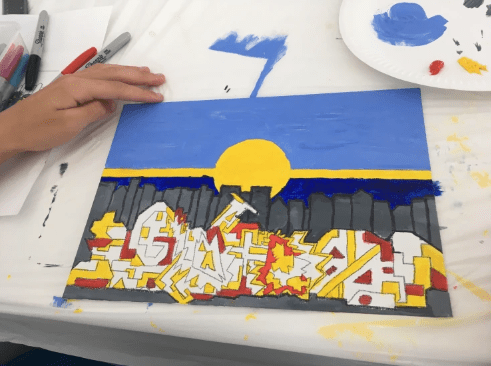
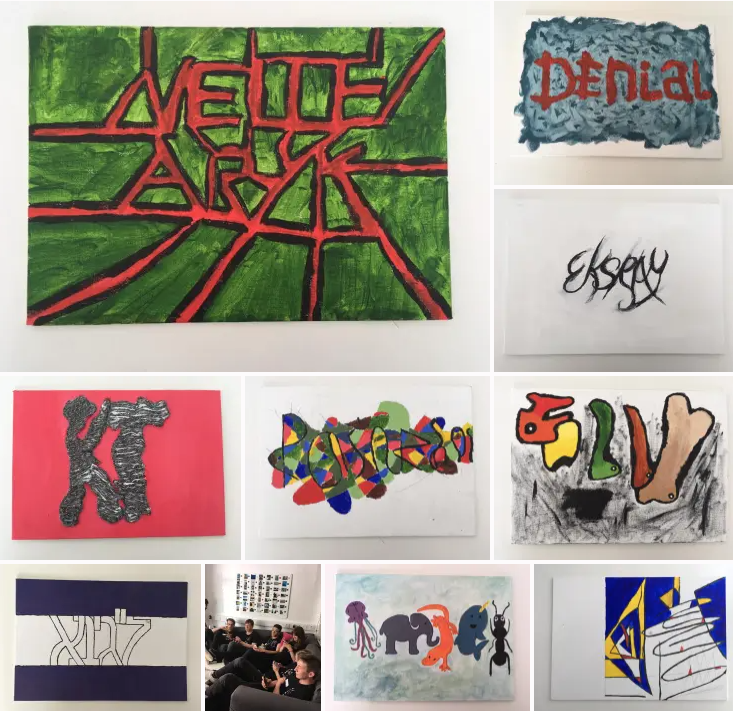
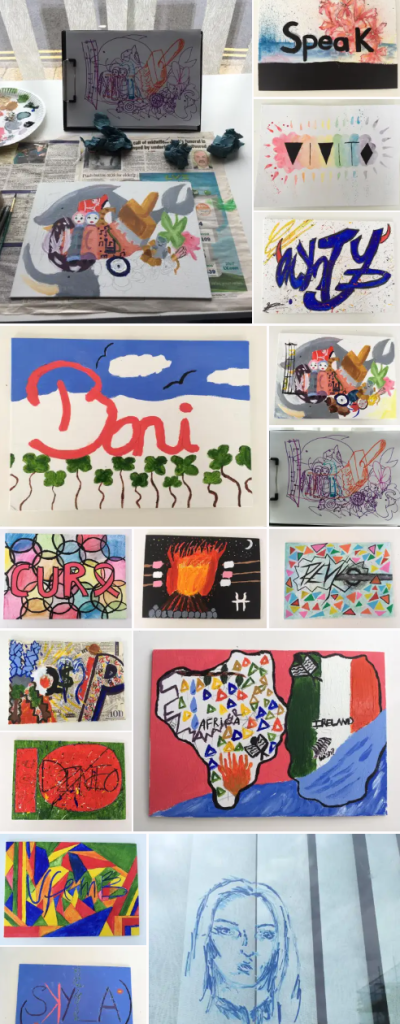
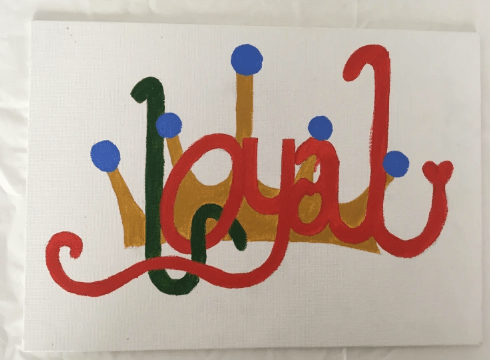
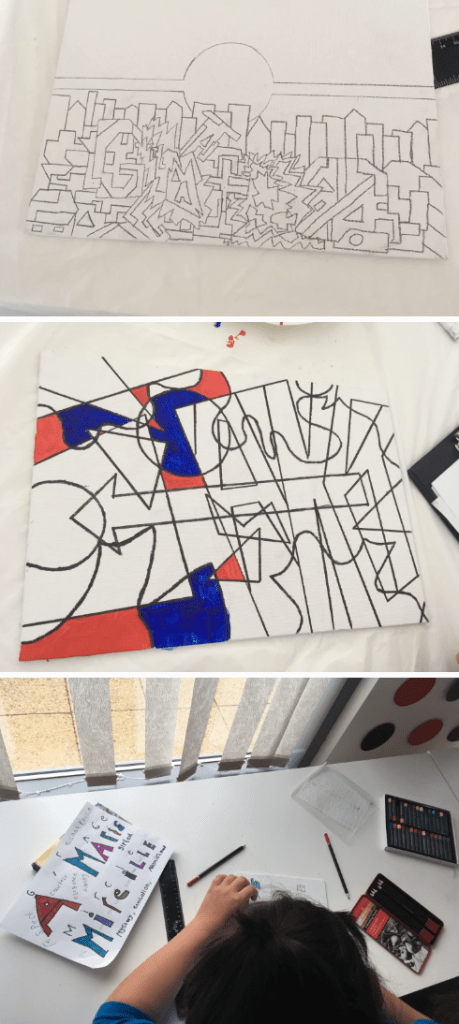
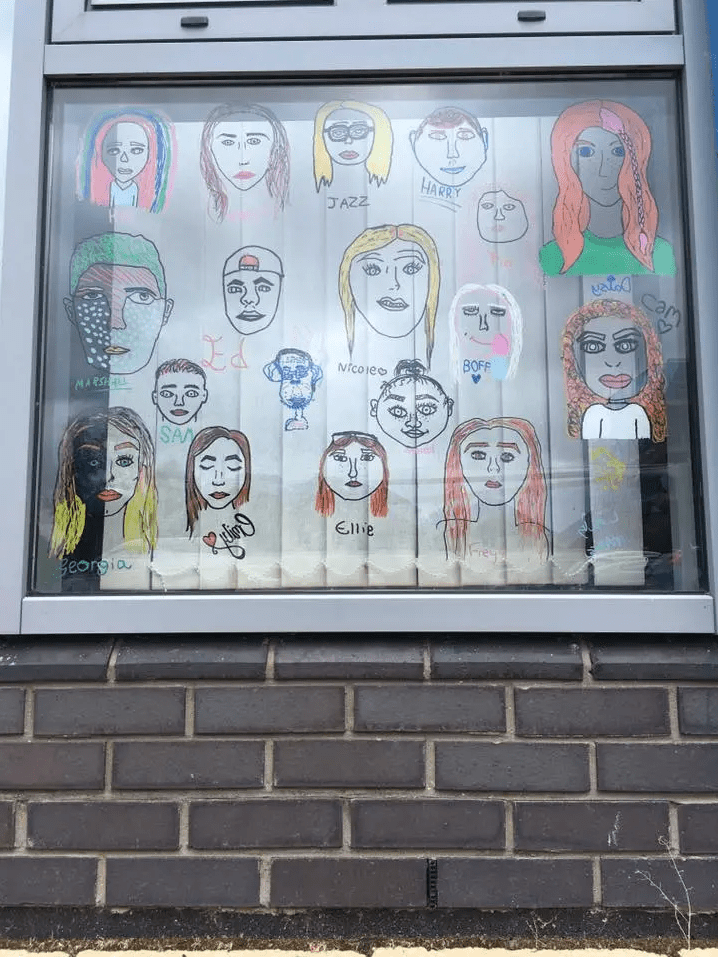
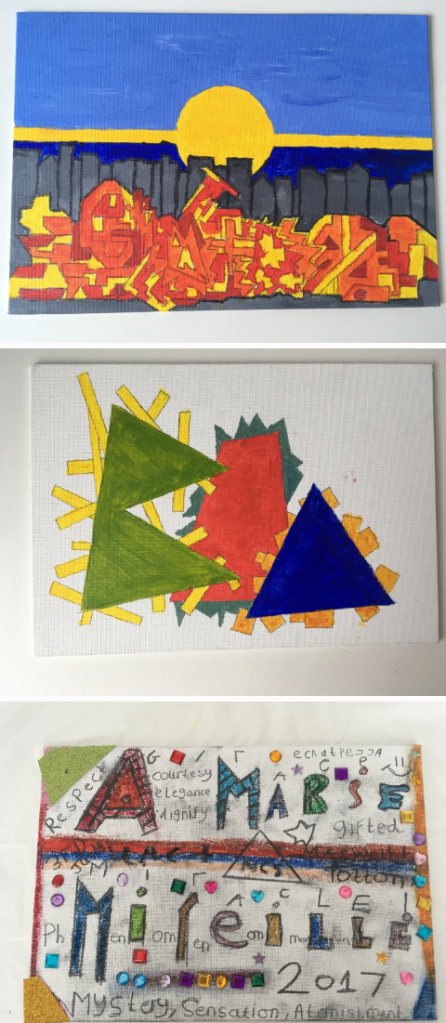
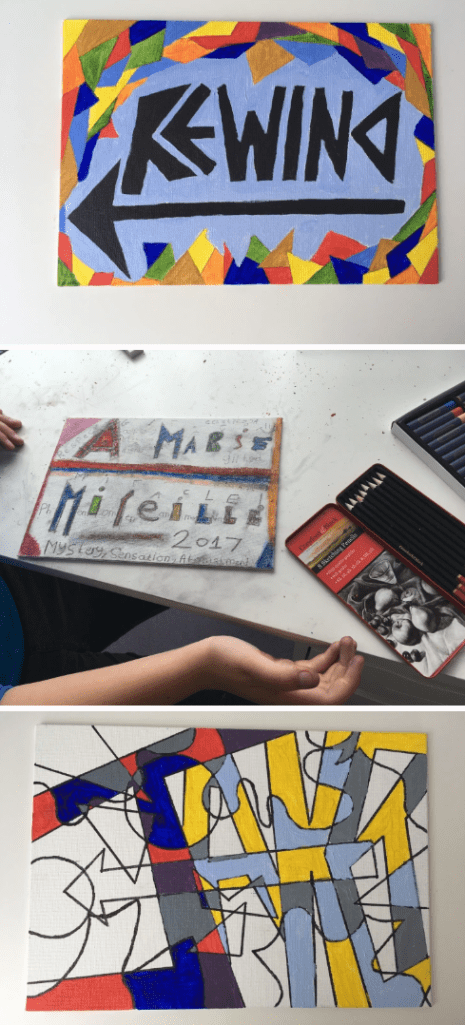
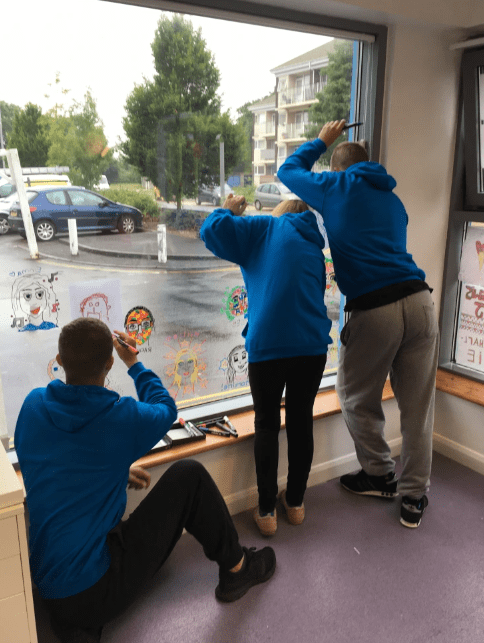
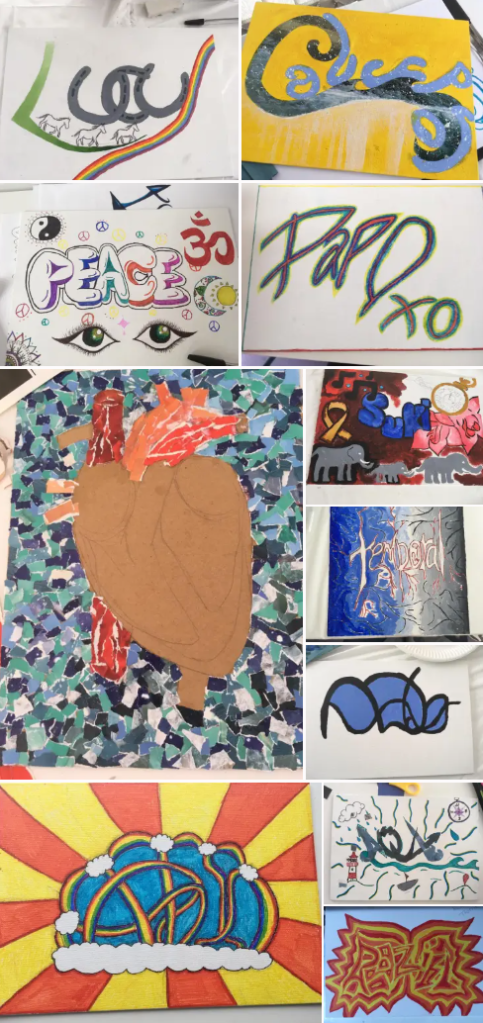
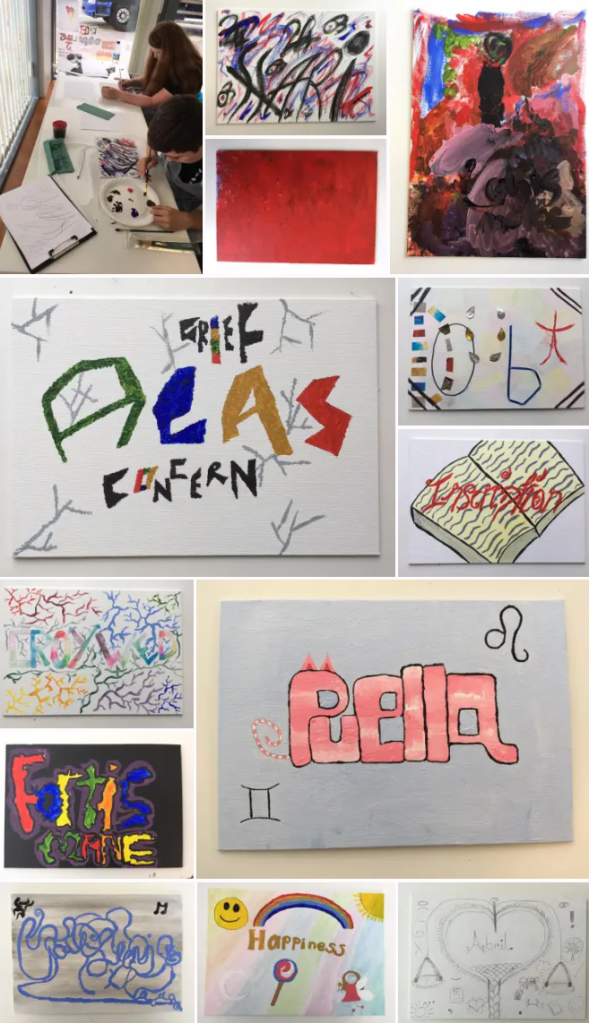
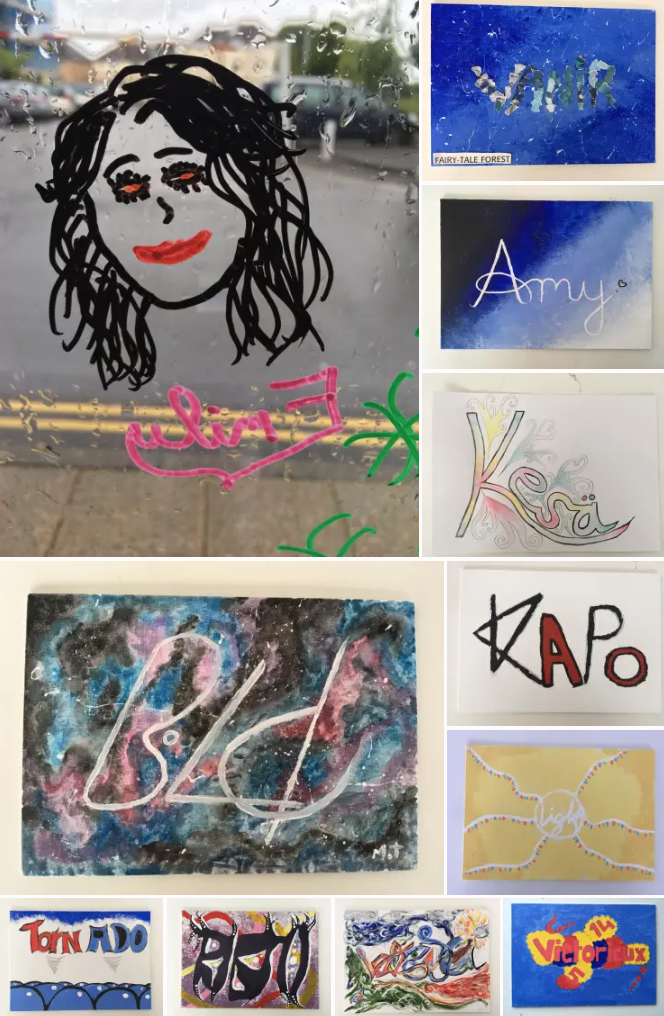
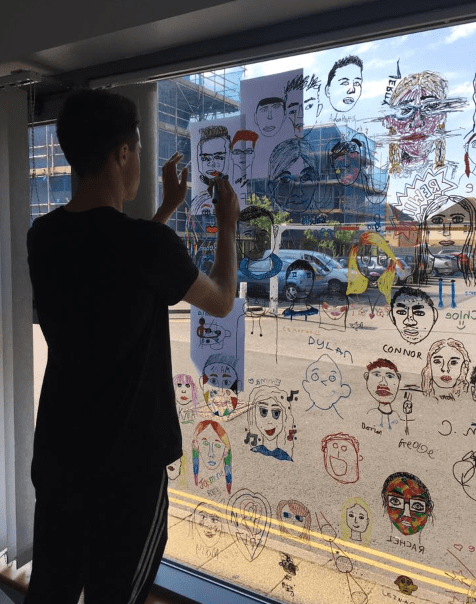
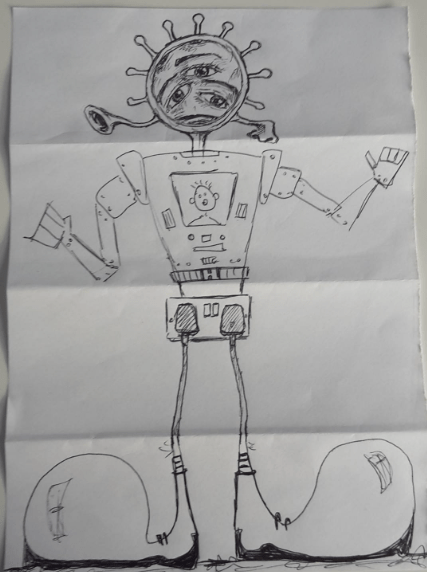
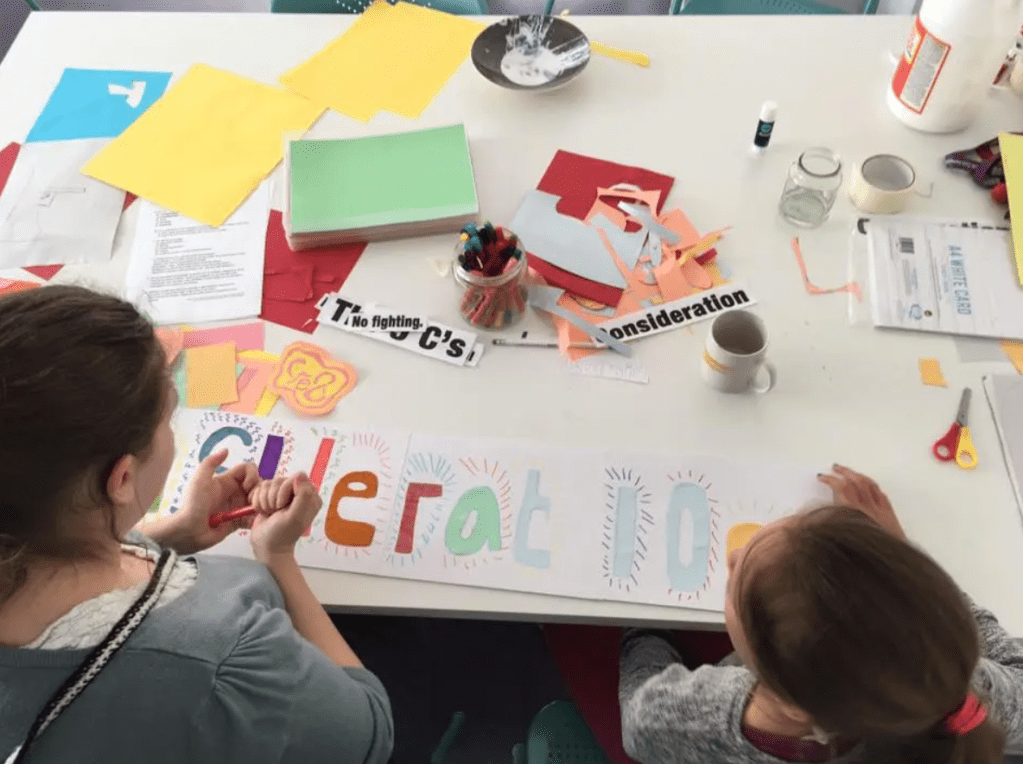
The residency led to ACTIVATE, an exhibition and documentary of the process in December 2016. It also helped establish Cre8. The club was free for local young people aged 10 to 18 and created a regular point of return, somewhere to make, meet artists and influence how the space developed. The young people designed and led the timetable content, ran sessions towards AQA accreditation and sometimes facilitated events for the wider community, such as The Halloween Grotto, a place for the other young people living on the estate to trick or treat. (Featured in the video link below)
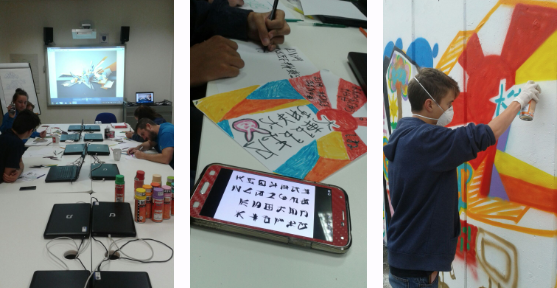
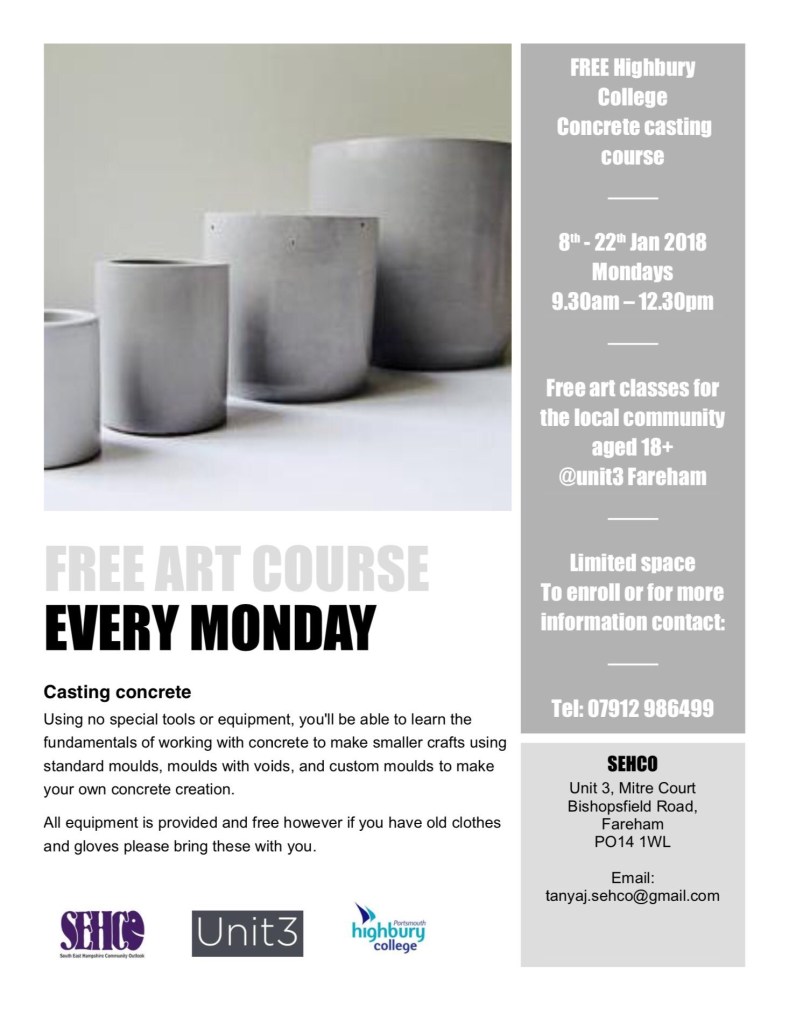
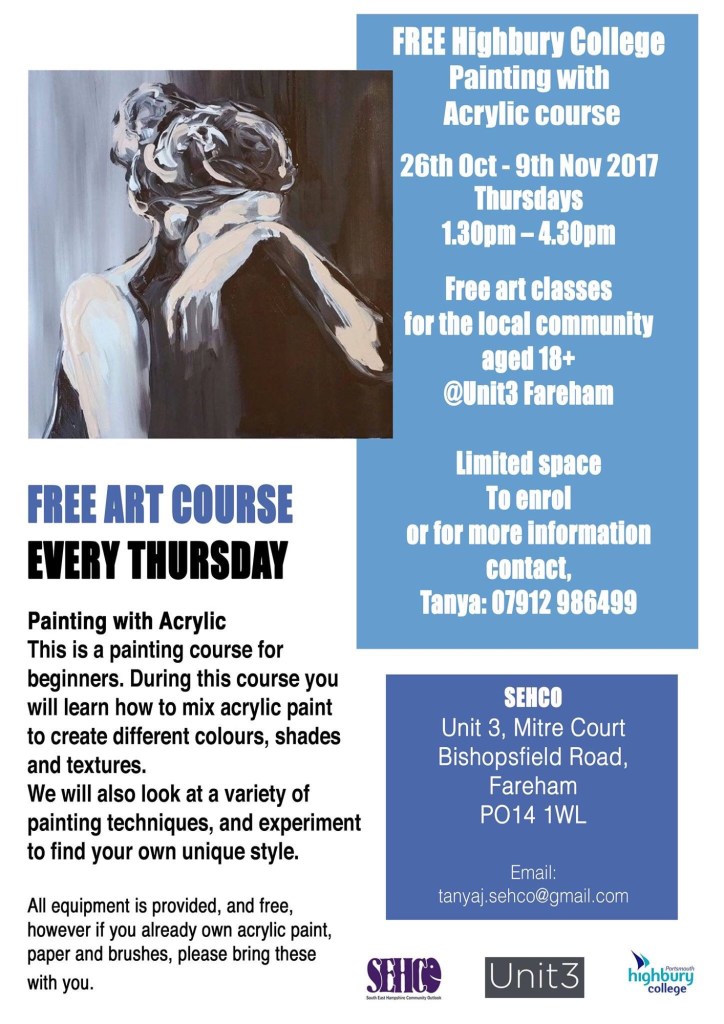
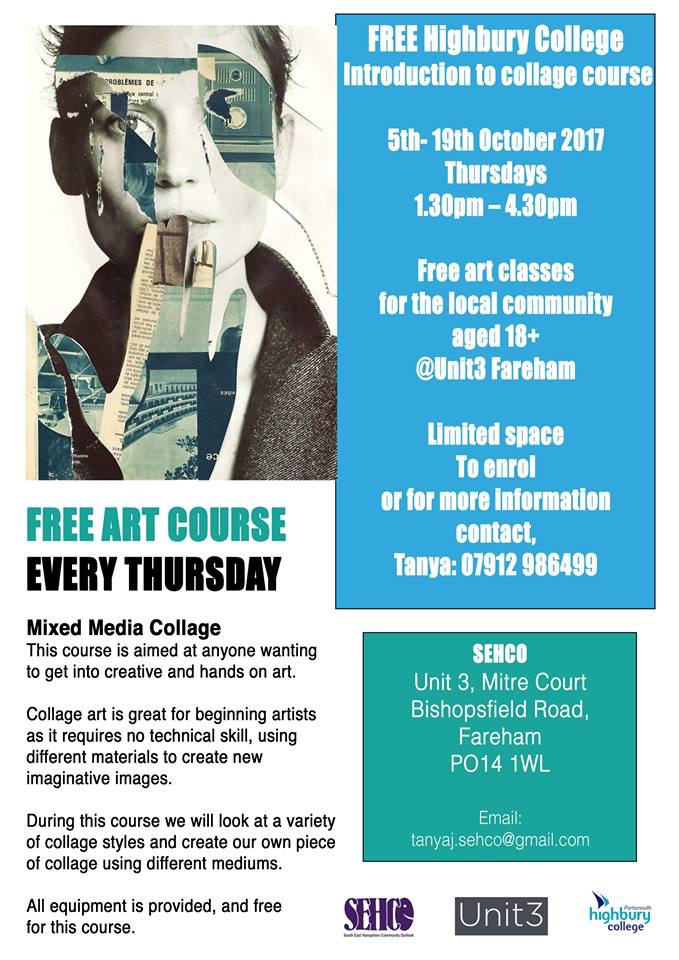
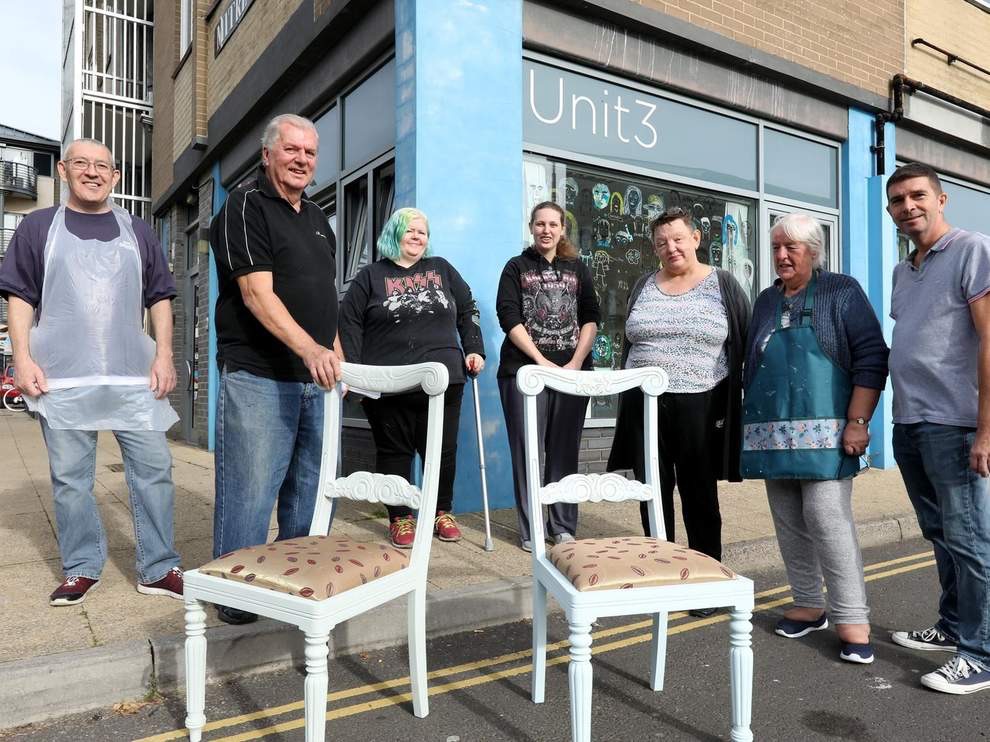
Unit3 was never intended for only one age group or one kind of activity. Highbury College ran free courses for local residents. Motiv8 used the space in its work with young people subject to anti-social behaviour orders. Solent Mind held peer-led coffee and craft mornings. The Little Art Haven ran art journaling sessions for the Portsmouth and Fareham Young Carers Group. Learning Links used the space for its Junk to Funk upcycling project. Later, additional funding through the National Citizen Service enabled a further workshop programme.
Those activities should not be folded into one generic story of creative engagement. A college course, a peer-led coffee morning, a youth work session and an artist residency each carried different responsibilities, participants and reasons for being there. What Unit3 offered was a shared and recognisable setting in which those different forms of participation could coexist.
The studio did not become a finished model of community participation. It showed what a modest, accessible space could hold when there was enough time, trust, practical support and room for different people to bring something to it.
This matters because a physical space changes the terms of participation. It can still be inaccessible, unwelcoming or controlled too tightly. A building does not automatically become a community resource because it is given that name. But a place that people can enter repeatedly, make use of and see themselves reflected in can support forms of relationship that are much harder to sustain through one off events or short programmes.
I did not want Unit3 to be a room in which art was delivered to people as evidence of activity. I wanted it to be a studio with enough openness for people to find an interest, make something, meet others and return. The work involved funding applications, logistics, safeguarding, cleaning, painting, partnerships and programming, as well as creative thought. None of those things were separate from the practice. They were what made the practice possible.
When the lease was lost during Covid, the space came to an end. Its life was finite, but the experience remained important. Unit3 taught me that participation needs more than an invitation. It needs a credible place to go, a reason to return and enough shared ownership for people to feel that what happens there can matter to them.
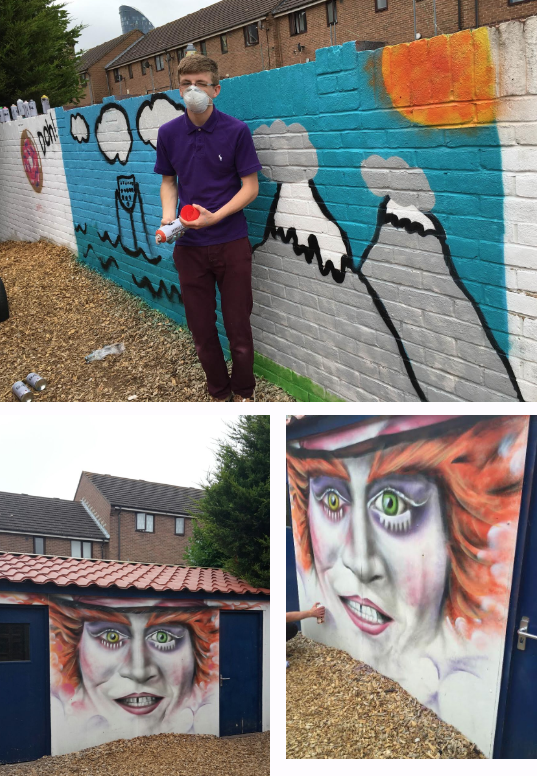
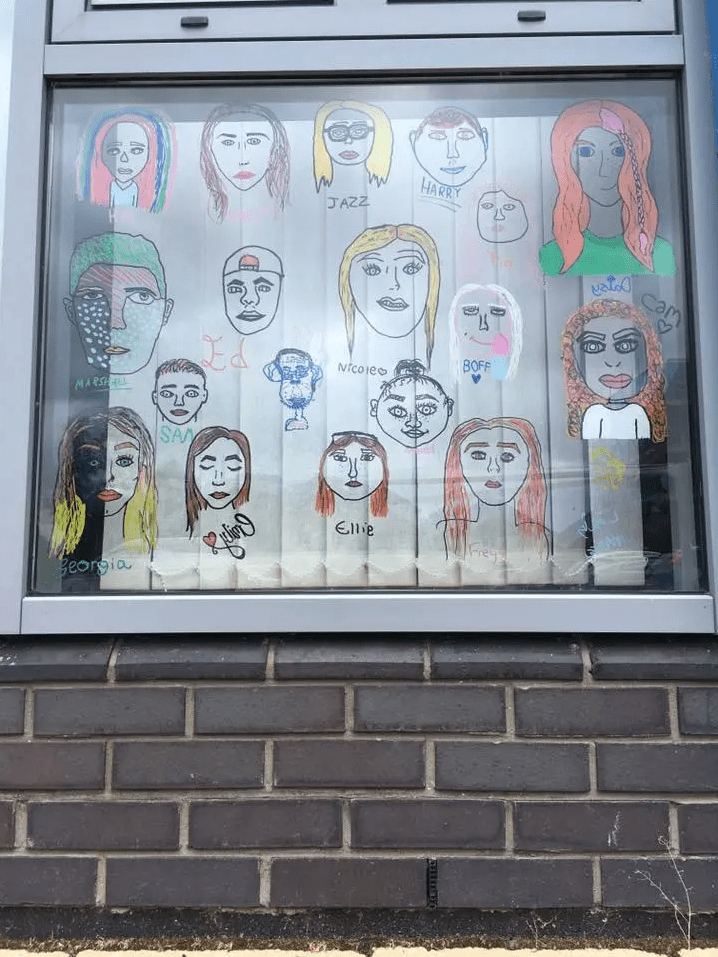

Earlier practice informing YAW · Fareham · 2015 to 2020.
This post documents work undertaken before YAW was established, but which informs its present thinking and practice.
 YAW
YAW 