
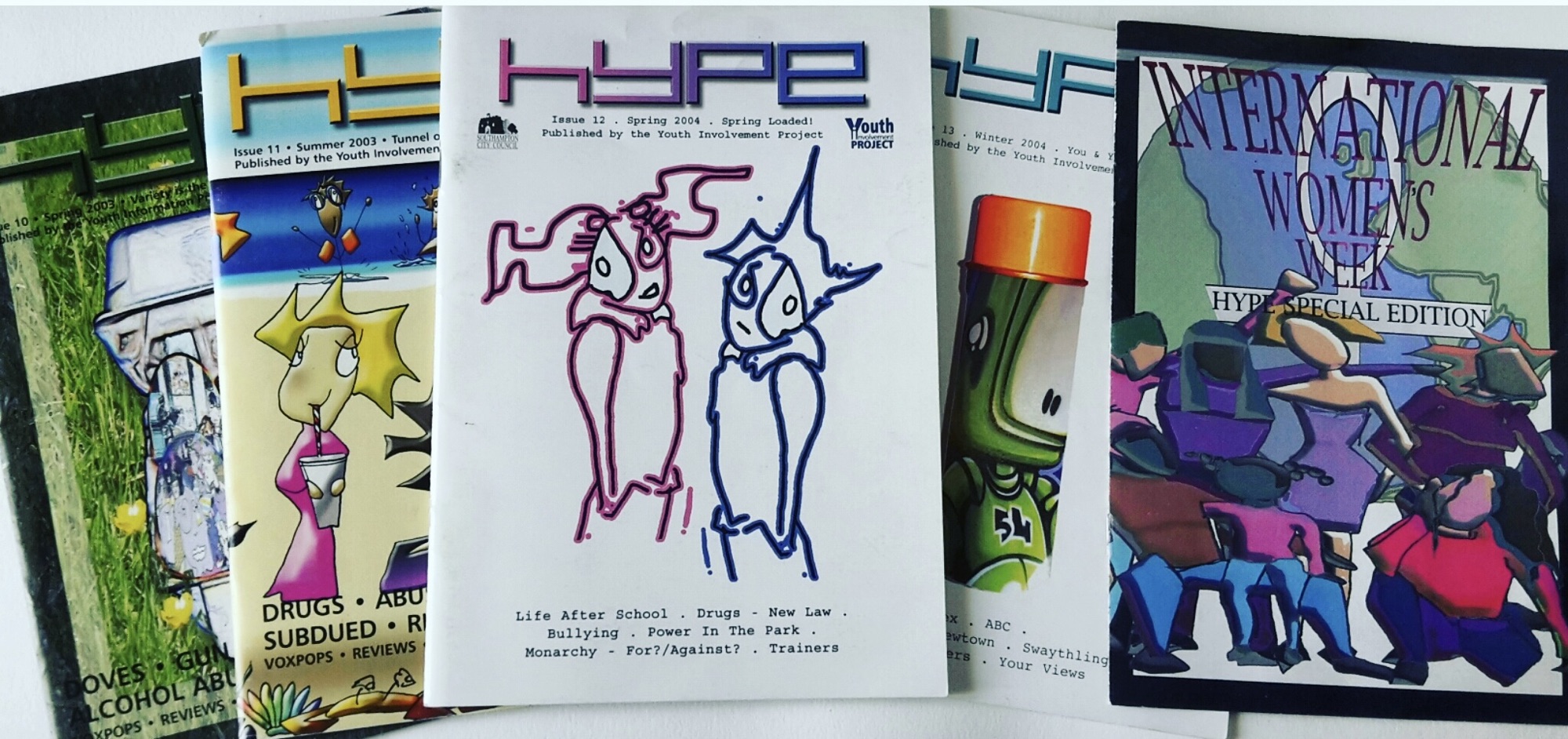
In 2002/2003, I took over from Charlie Andrews as editor of Hype Magazine. A year earlier, I had entered Southampton City Youth Service through a New Deal placement with the magazine. The movement from being placed within the project to supervising other people entering through the same scheme happened quickly.
I was working through a joint arrangement involving Southampton City Youth Service and Southampton City Training. I supervised a team of up to seven young adults on New Deal placements, many of whom had been unemployed for at least six months. I had recently occupied a similar position myself. I was therefore learning how rapidly somebody can move from being the recipient of an opportunity to becoming one of the people responsible for shaping it.
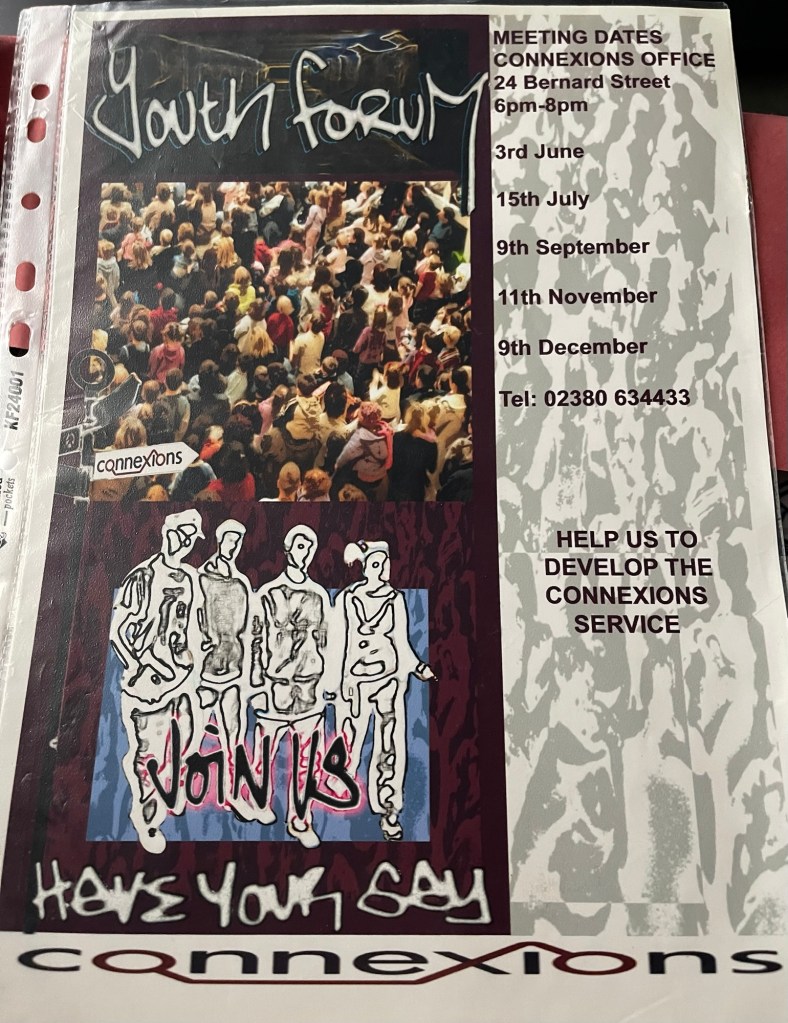
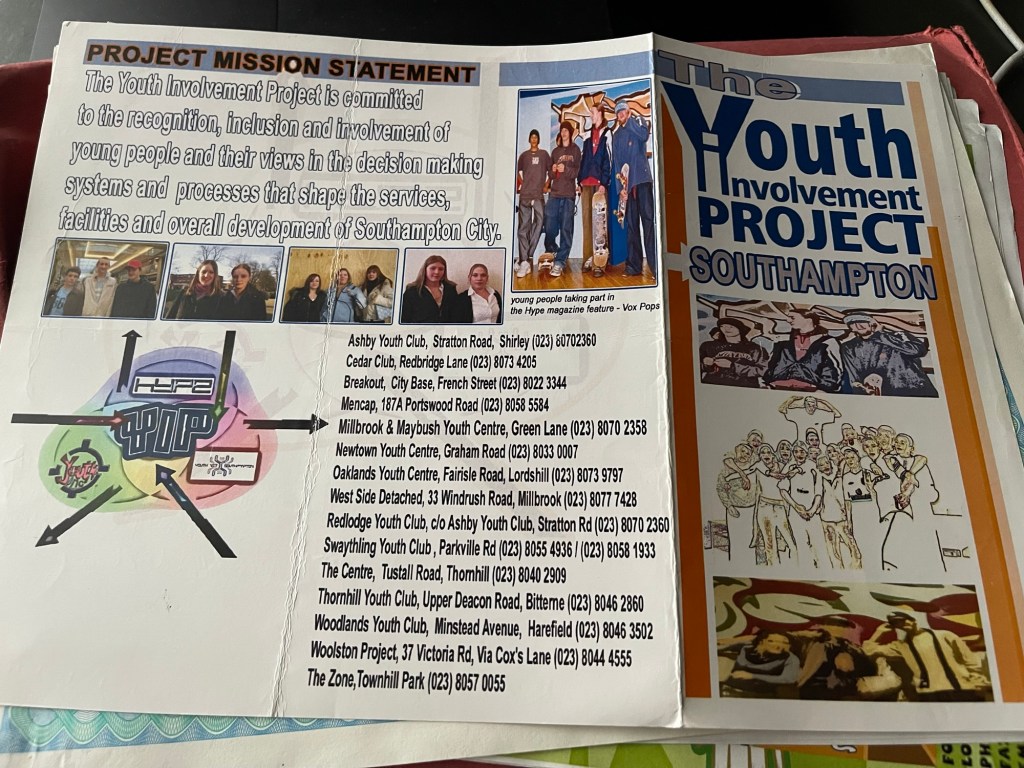
Hype was published quarterly, with 10,000 copies distributed across Southampton each time, in Youth Centres, other youth provision centres such as No Limits Shirley, Connexions, schools, colleges, GP surgeries, Leisure Centres. It was not simply an internal newsletter or a record of youth-service activity. Young people wrote articles, produced images, developed ideas and addressed issues affecting their lives. The magazine gave this work a public form and placed it into circulation across the city.
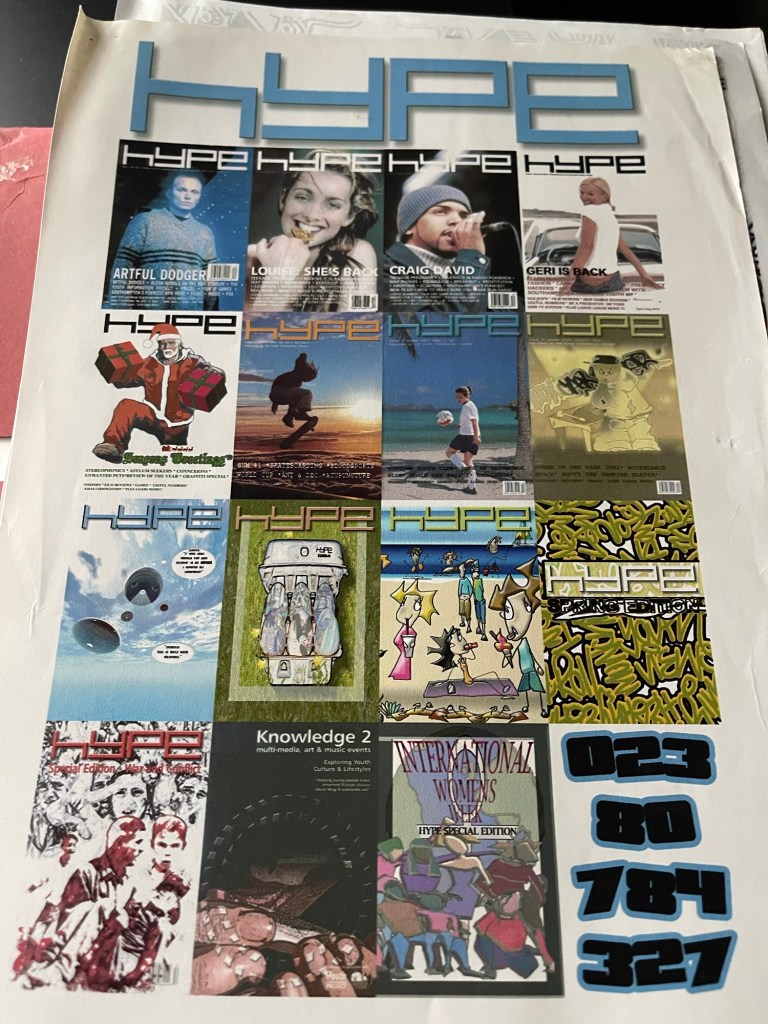
One of my first substantial decisions as editor was to redesign it.
I worked with professional graphic designers and began looking closely at magazines already occupying the newsstand. Loaded is one of the references I remember. I was interested in its visual confidence rather than seeking to reproduce its content: the controlled use of typography, the separation of image and text and the authority created by a predominantly white ground.
I describe the redesign now as more clinical. It was cleaner, more controlled and deliberately closer to the visual language of a commercial magazine than that of a council publication or youth-project newsletter. I wanted Hype to look as though it expected to be read.
That choice was not neutral. A professional-looking design could give young people’s writing and artwork greater public legitimacy, refusing the diminished expectations often attached to something labelled a “youth project”. But the redesign also involved imposing an editorial system. I was deciding how contributions were framed, what fitted the publication and what kind of reader the magazine appeared to address.
The popular magazines I was studying also carried their own assumptions about gender, consumption, desirability and audience. At the time, I was primarily reading them as design objects. Looking back, their visual language cannot be separated completely from their cultural politics.
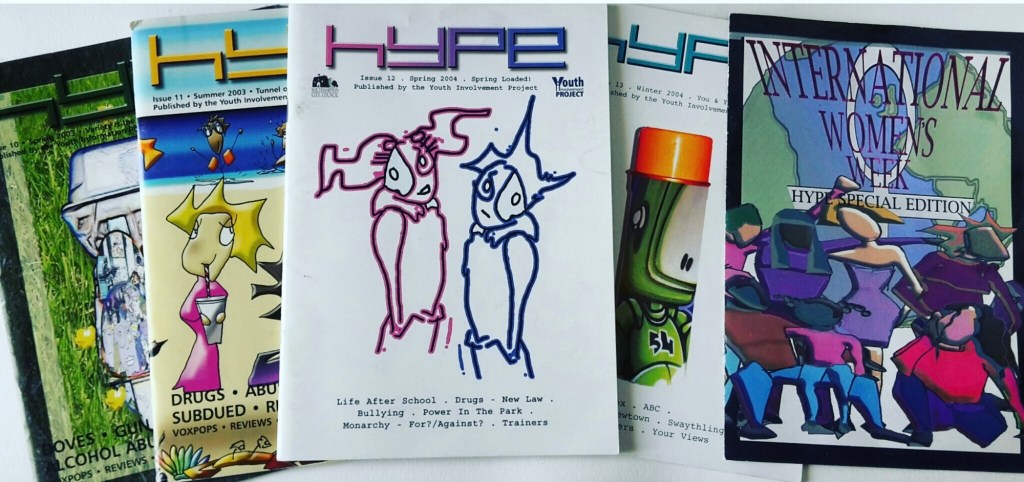
This is one of the tensions that continues into YAW. Participation may create genuine space for authorship while editorial authority remains unevenly distributed. Young people could write as journalists rather than appearing as the subjects of a professional report, but adults still controlled the format, production process and final selection.
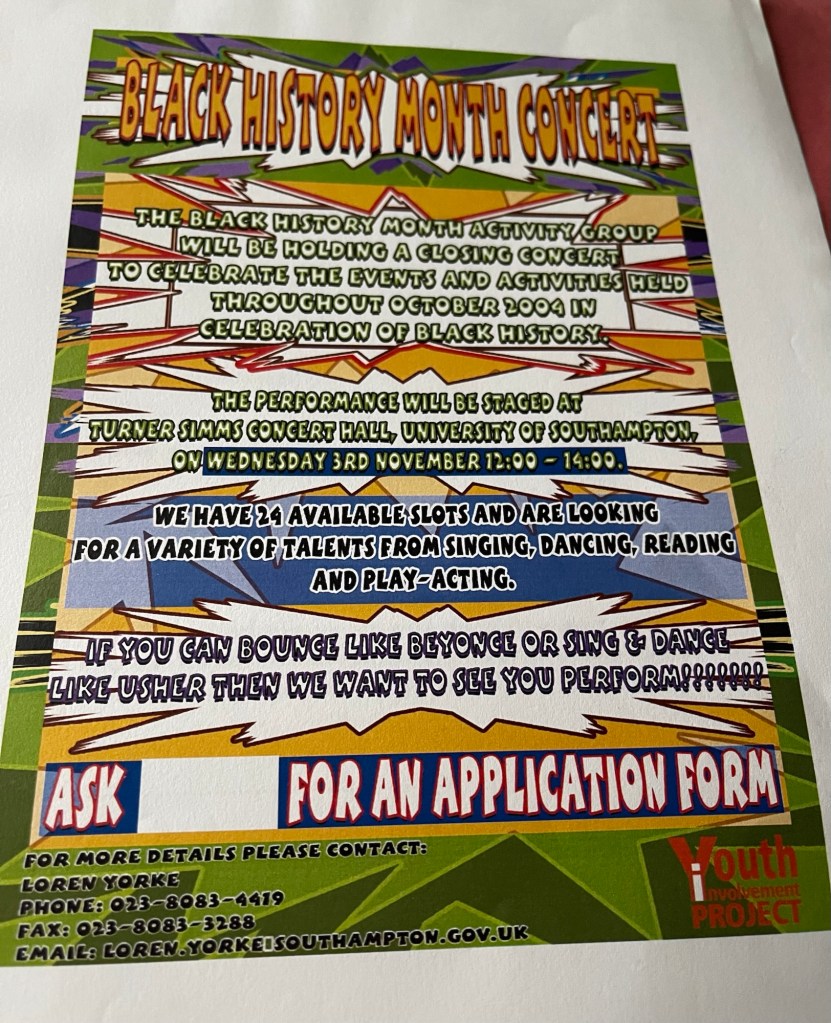
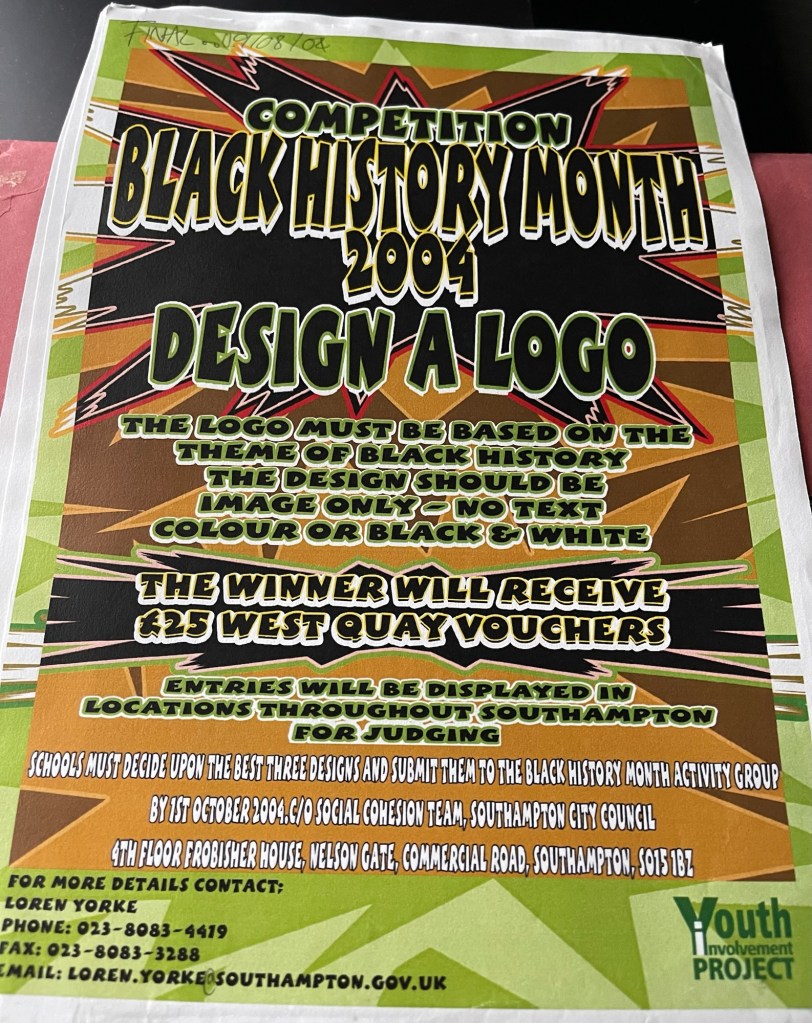
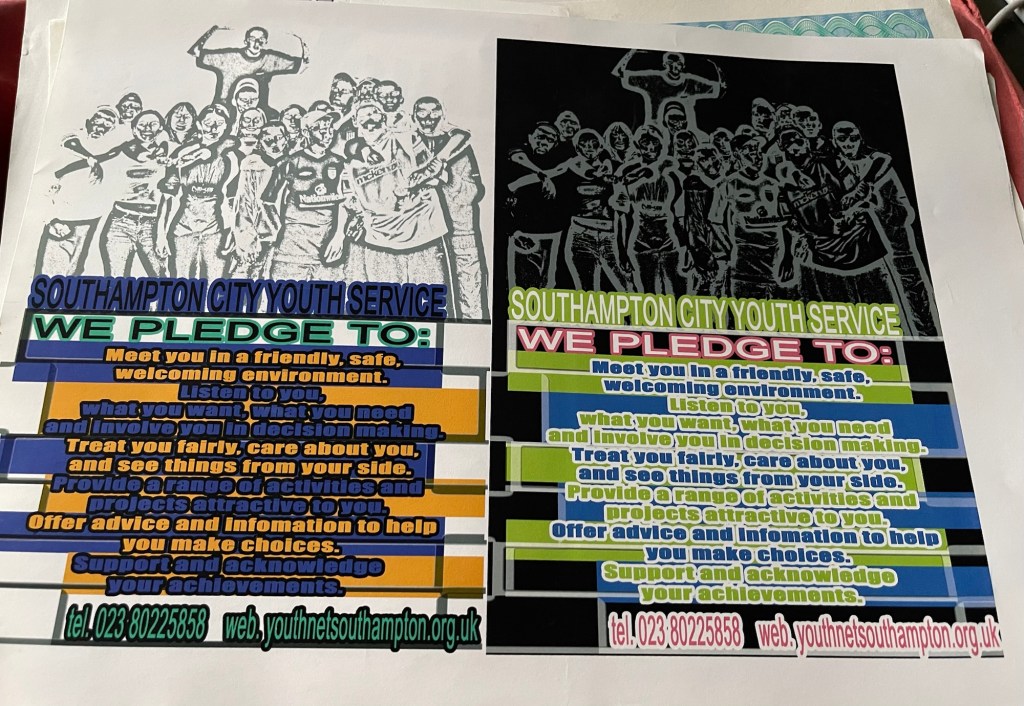
Hype also remained part of a public youth service with institutional responsibilities and targets. The magazine and its associated workshops addressed areas then described through categories such as healthy lifestyles and reducing teenage pregnancy. I also contributed artwork and graphic design to wider Southampton City Council projects, including work connected with International Women’s Week and Black History Month. Further material from these projects will be added as the archive is reconstructed.
Alongside editing the magazine, I trained as a youth worker through the service. I was not fully trained first and then given the work: the training and responsibility developed alongside one another.
The national structure at the time connected youth-work roles with work-based qualifications and occupational standards. Training concerned building relationships with young people, supporting personal and social learning, enabling young people to share responsibility for projects, planning and managing work, working according to youth-work values and reflecting on ethical practice.
Hype became one of the places in which that learning had to be applied. Supervising placements, responding to sensitive articles, facilitating workshops, negotiating editorial decisions and meeting publication deadlines were not separate from my youth-work training. They were part of how I learned to recognise creativity as a relational and organisational practice rather than simply the production of images.
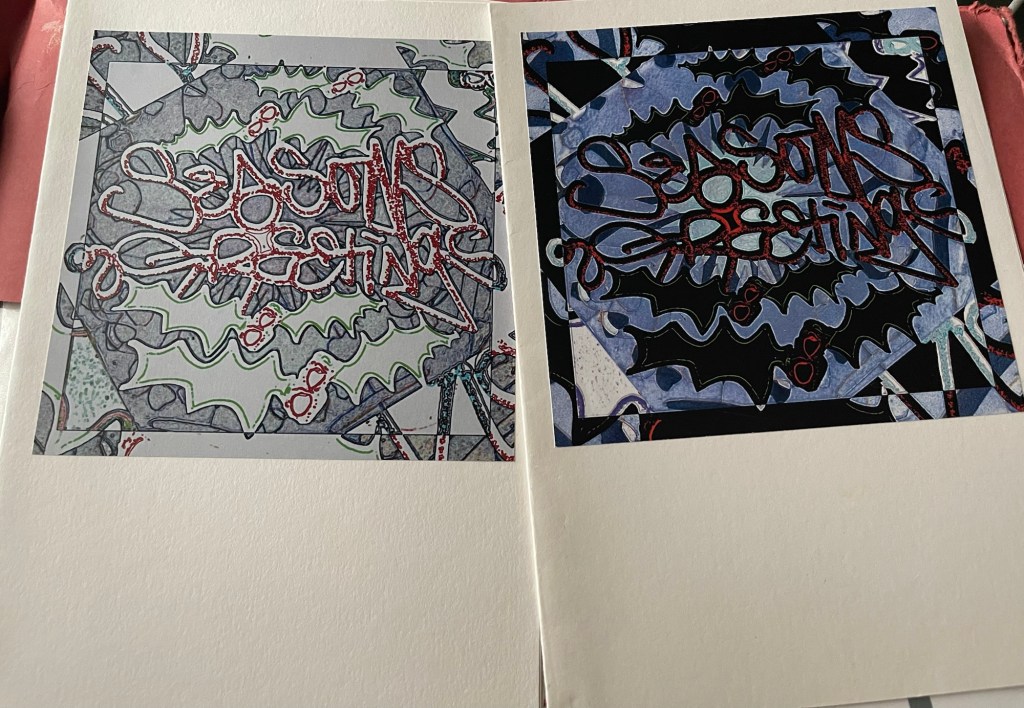
This extended into Make Some Noise, a linked evening and weekend project that I designed and facilitated using £8,000 from the Children’s Fund. The project had two strands, one based in music and DJing designed and facilitated by Alex Russell. The art project run by myself invited young people to begin with their name, or a name they had chosen, and use it as material for making.
We looked at artists who used names and pseudonyms, experimented with lettering, mark-making and the visual expression of emotion, and introduced the basics of Photoshop. The project concluded with customised T-shirts and certificates.
Those objects provided a visible conclusion, but the more interesting work concerned identity and representation: how a person chooses to name themselves, how that name acquires a visual form and how something initially private can become publicly worn. It was an early point at which writing, graphic design, digital tools, artistic practice and youth work became inseparable for me.
Hype informs YAW because it showed me that creative practice could become part of a service’s infrastructure. It could take the form of a magazine, a workplace, a training environment, a distribution network and a means through which young people entered public culture.
It also taught me to question easy claims about participation. Providing a platform matters, but so does examining who designs the platform, who edits what appears upon it and which forms of expression are made legible through it.
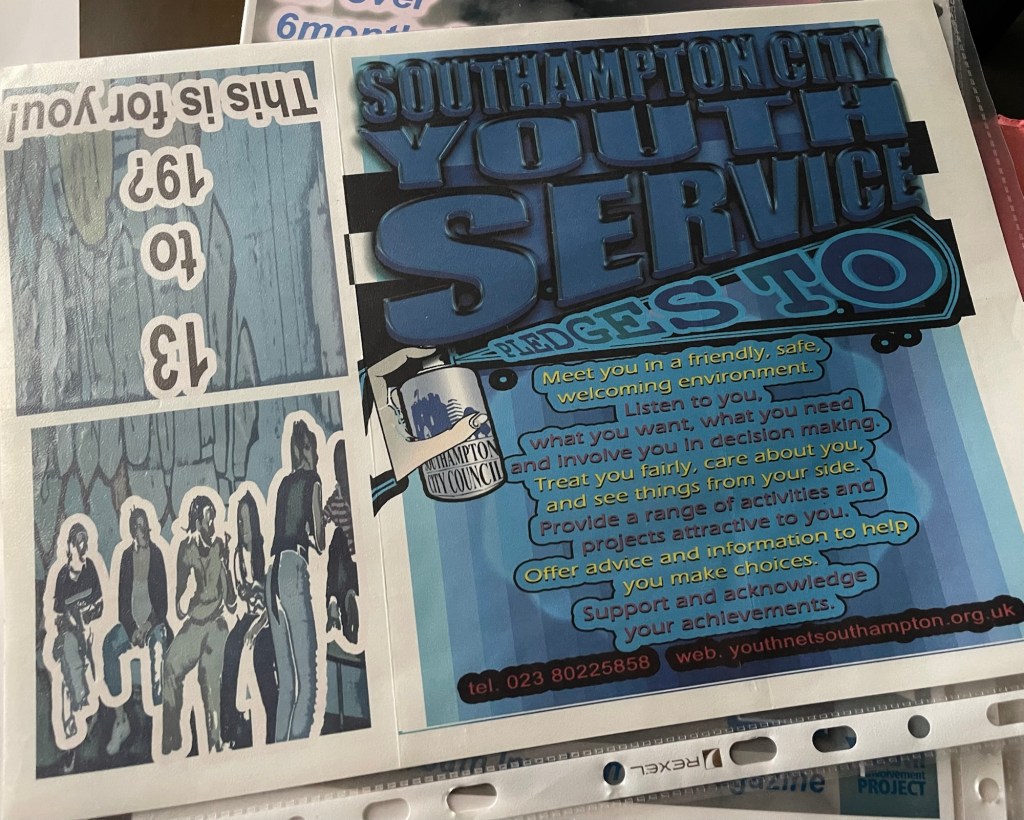
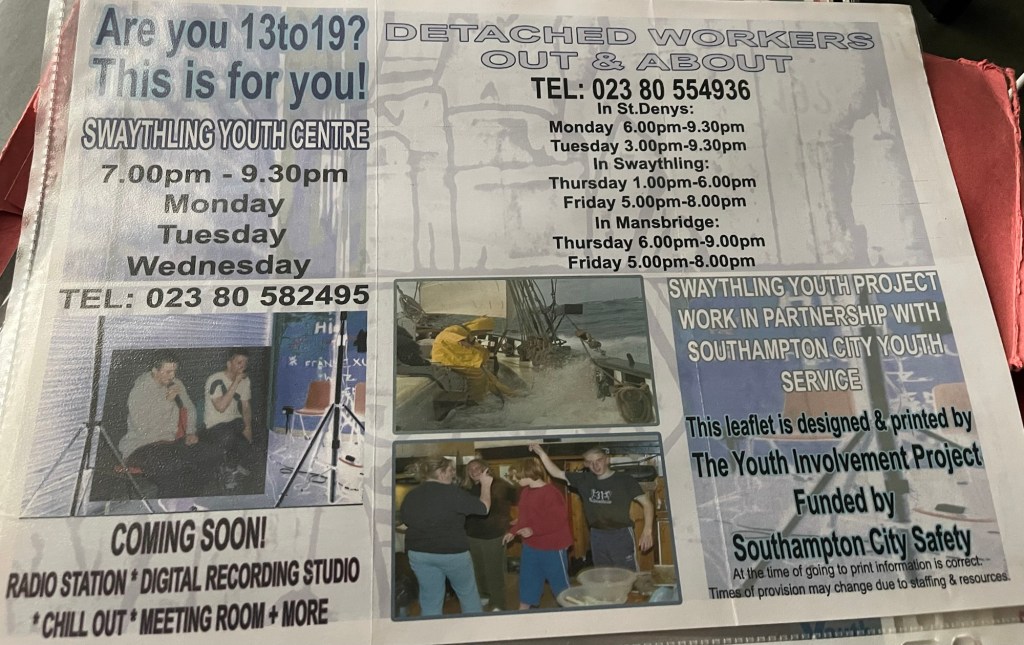
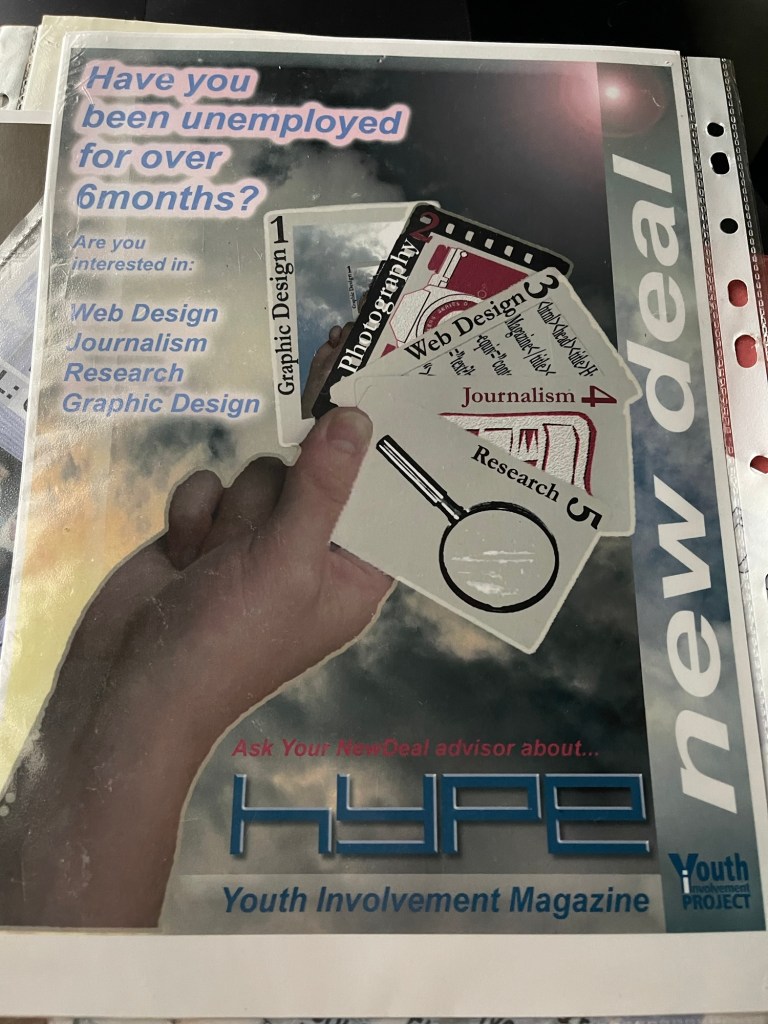
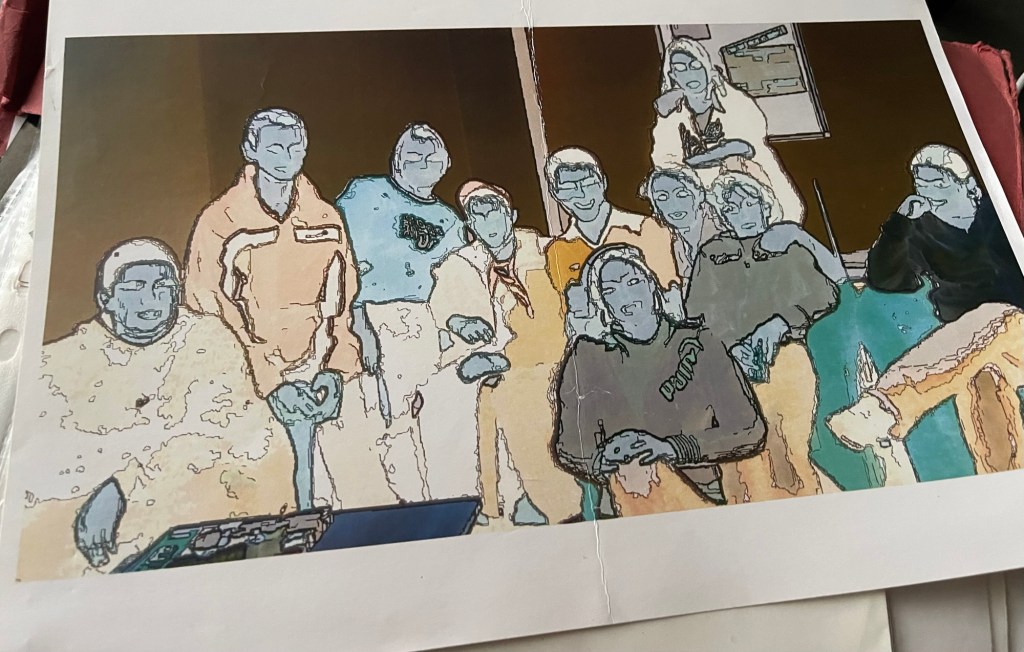
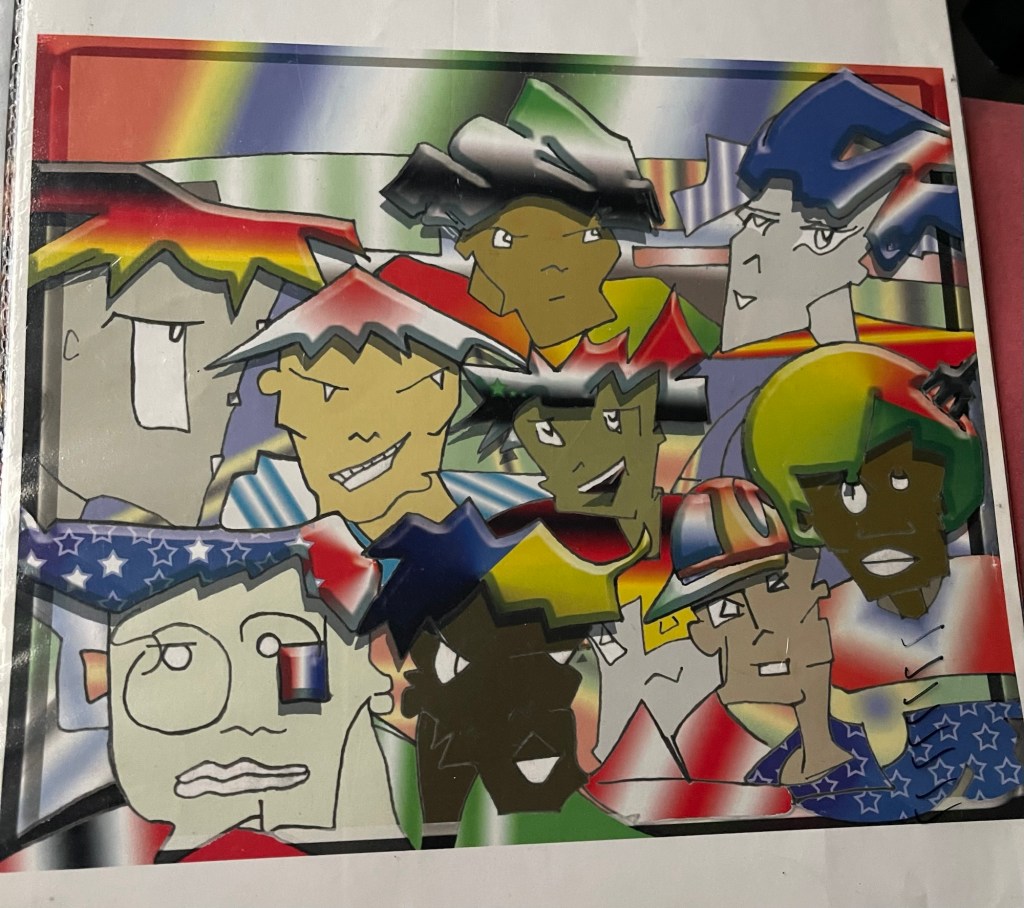
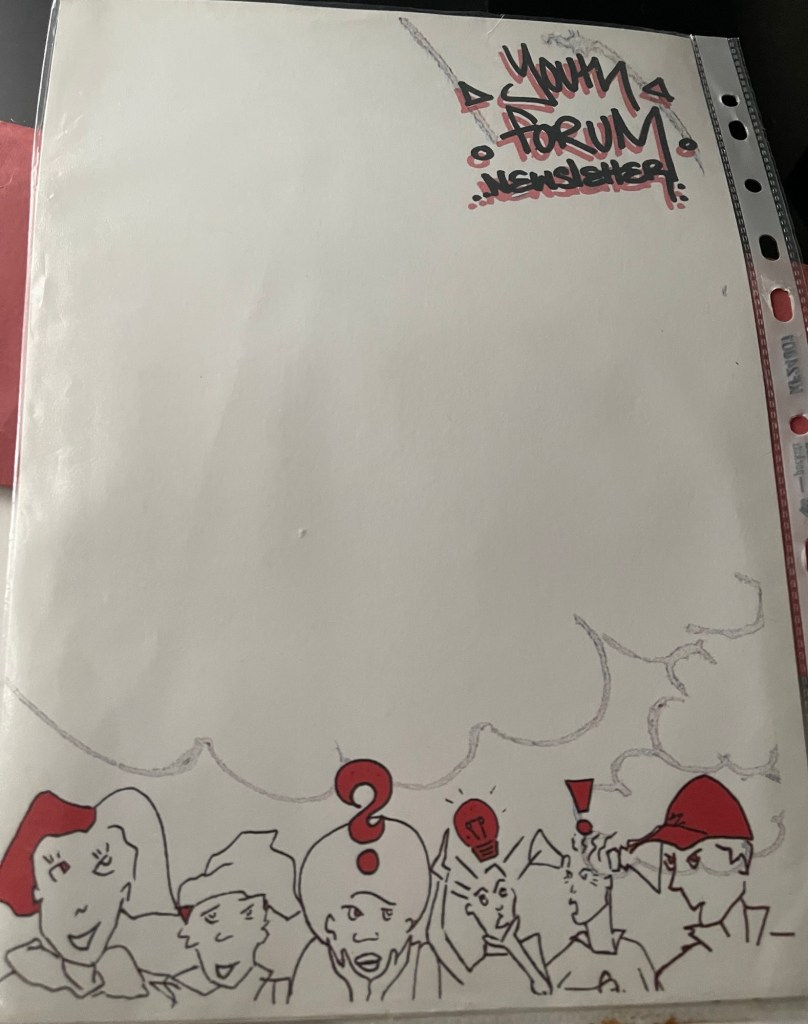
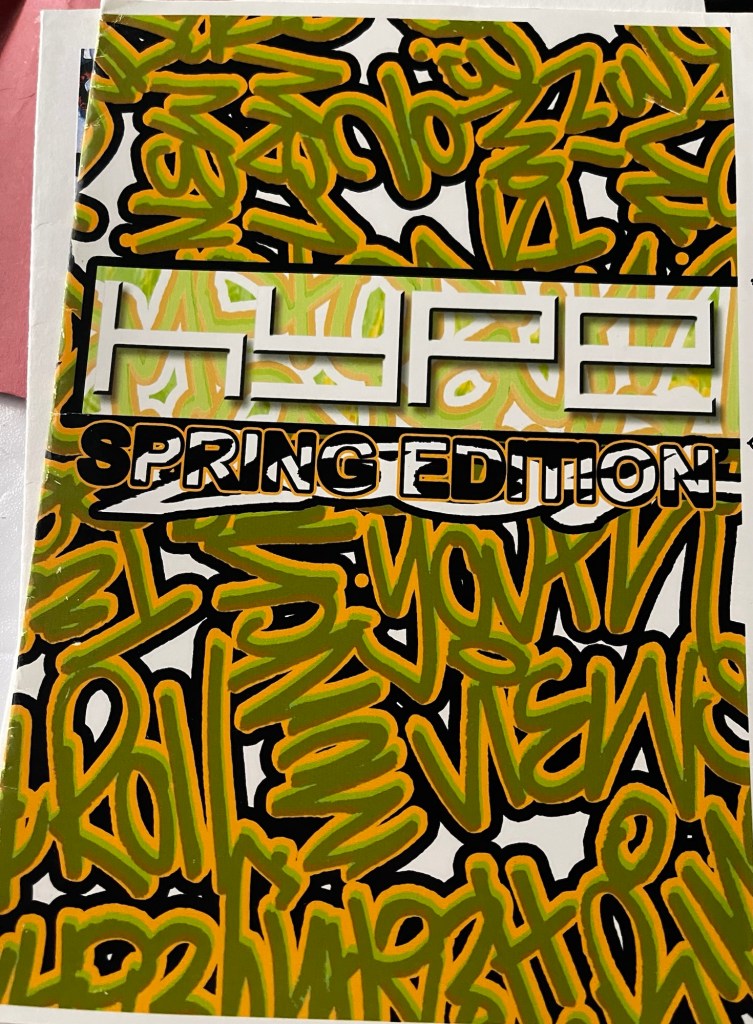
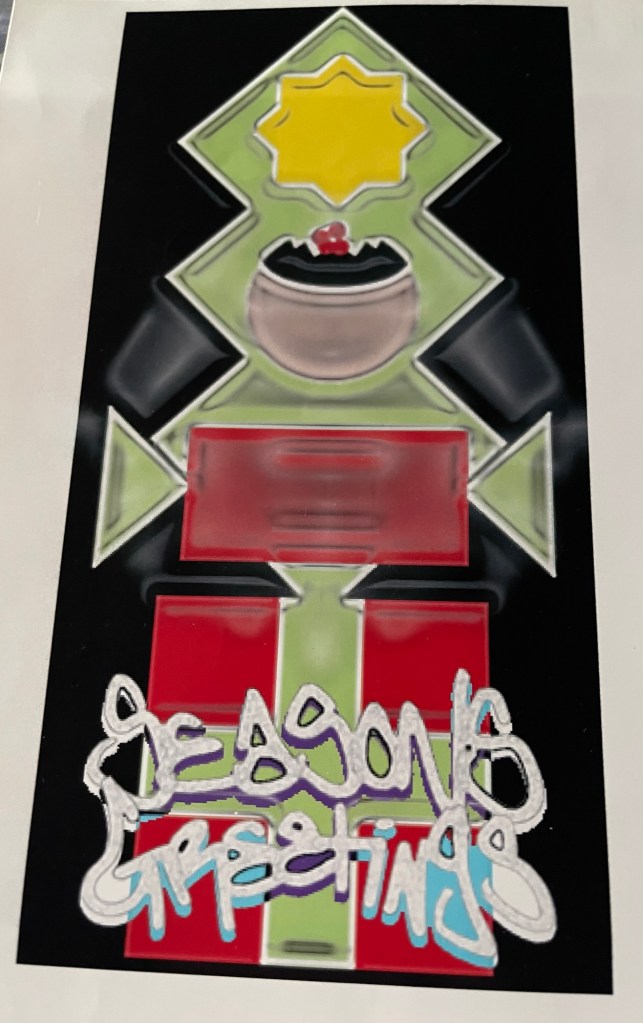
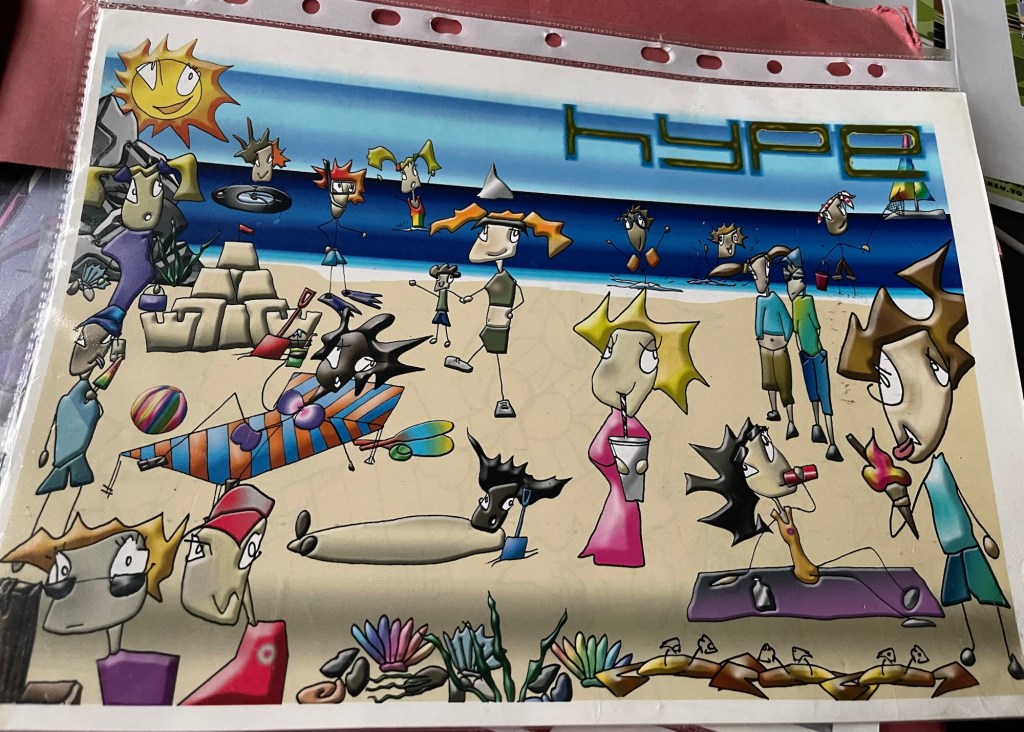
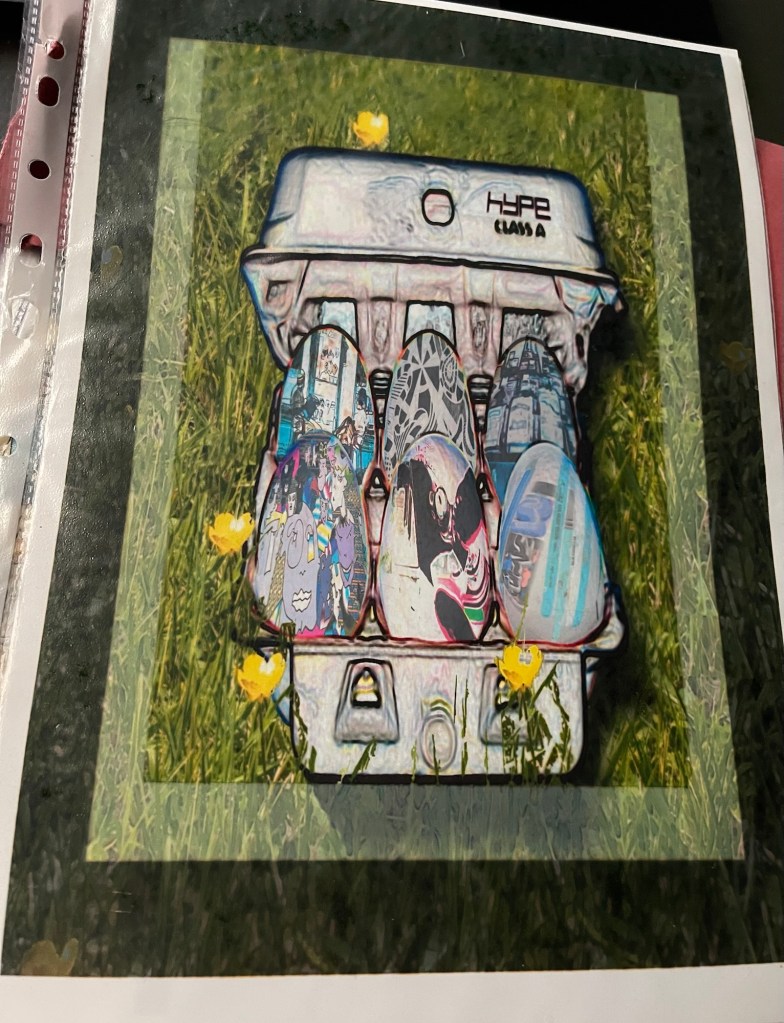
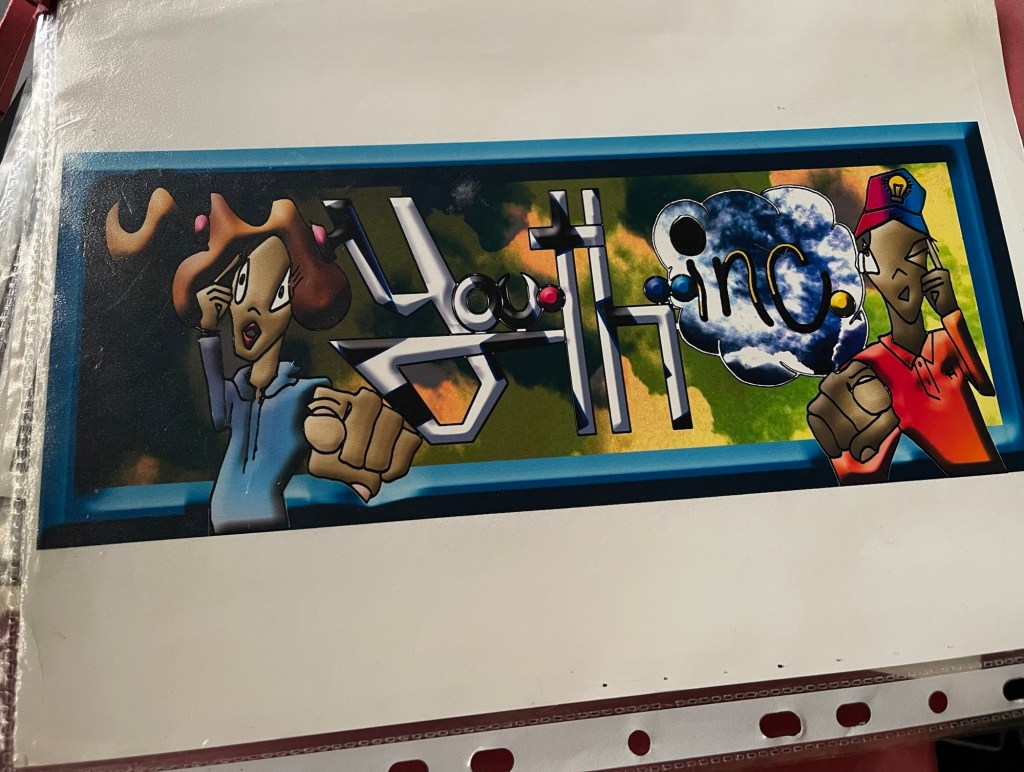
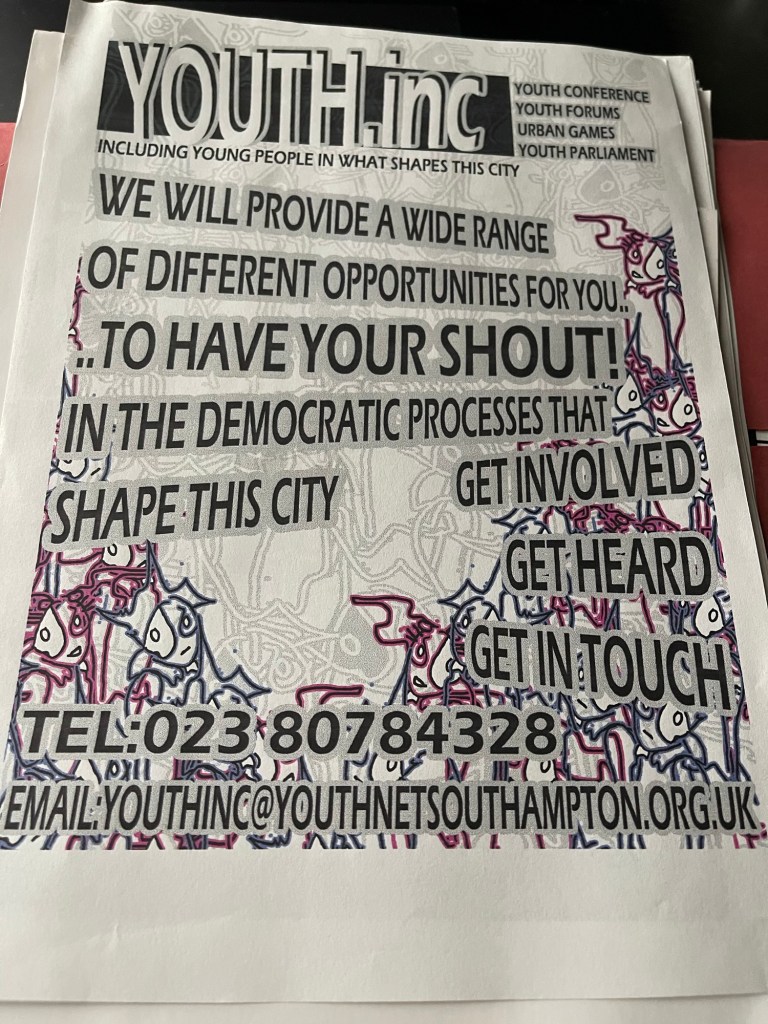
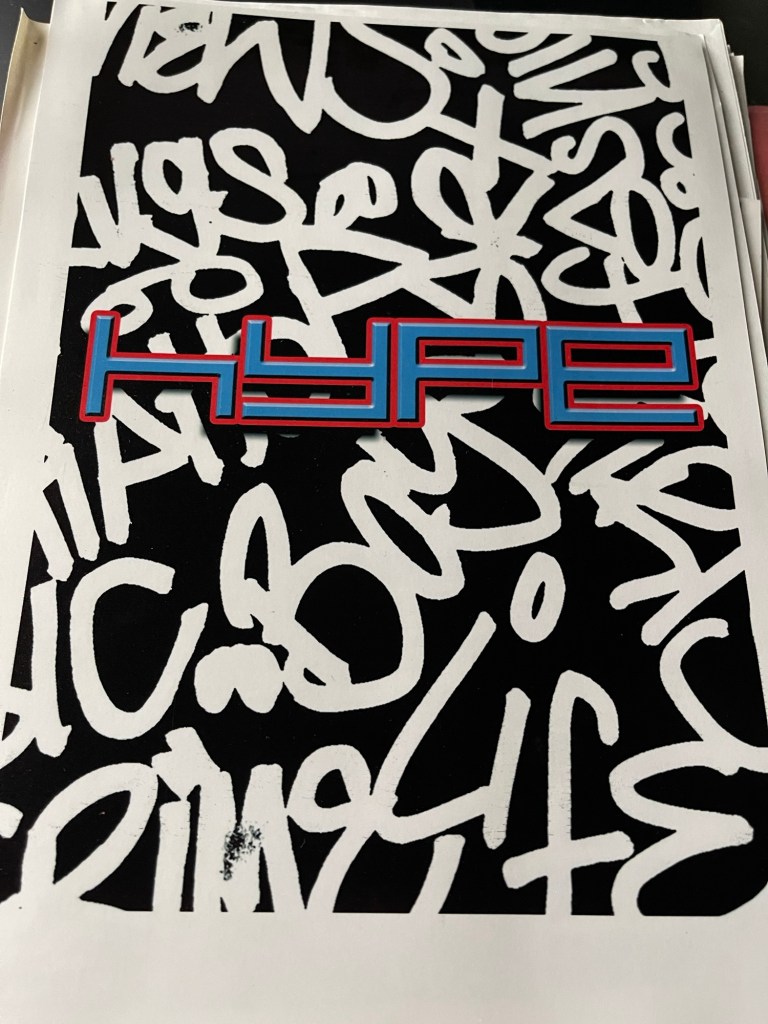
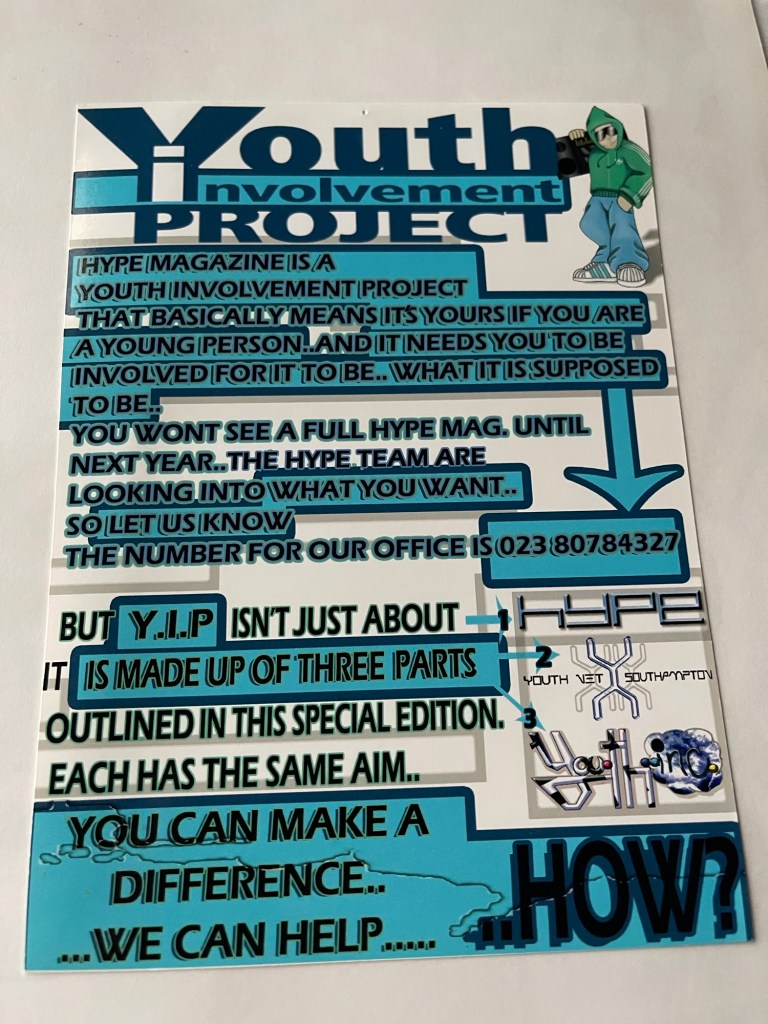
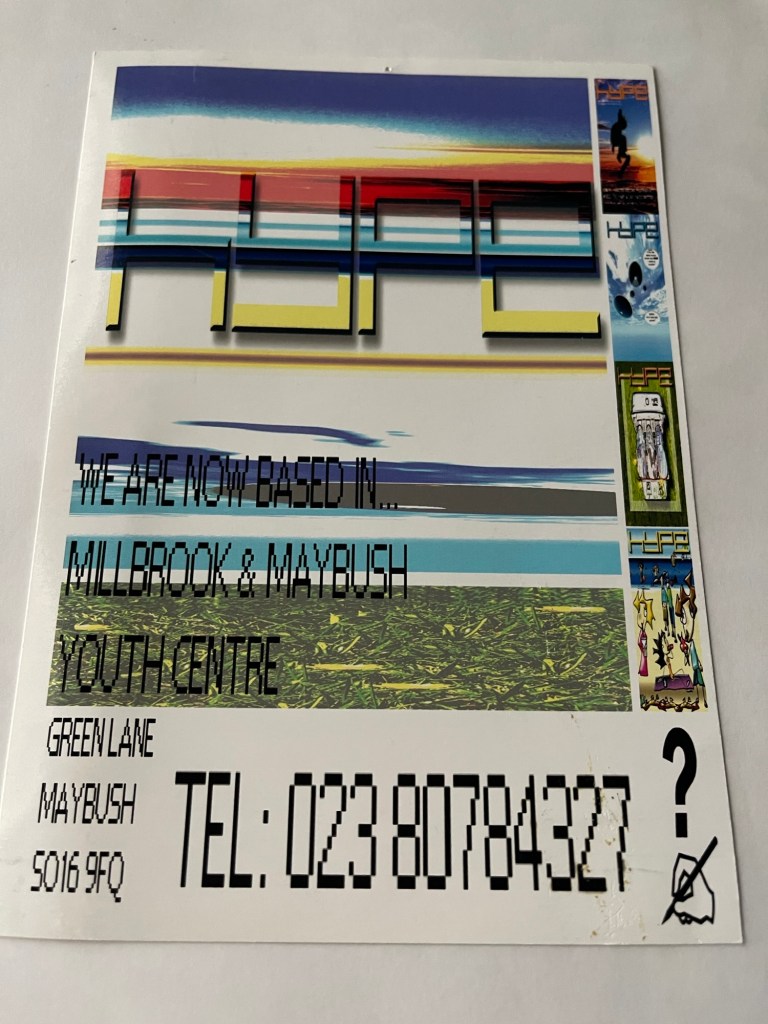
Part Two will look inside the surviving issues: what young people wrote about, how artwork and language were presented, which institutional concerns entered the magazine and what the contents now reveal about youth work and youth culture in Southampton during the early 2000s.
Earlier practice informing YAW · Southampton · 2001–2005.
This post documents work undertaken before YAW was established, but which informs its present thinking and practice.
 YAW
YAW 